
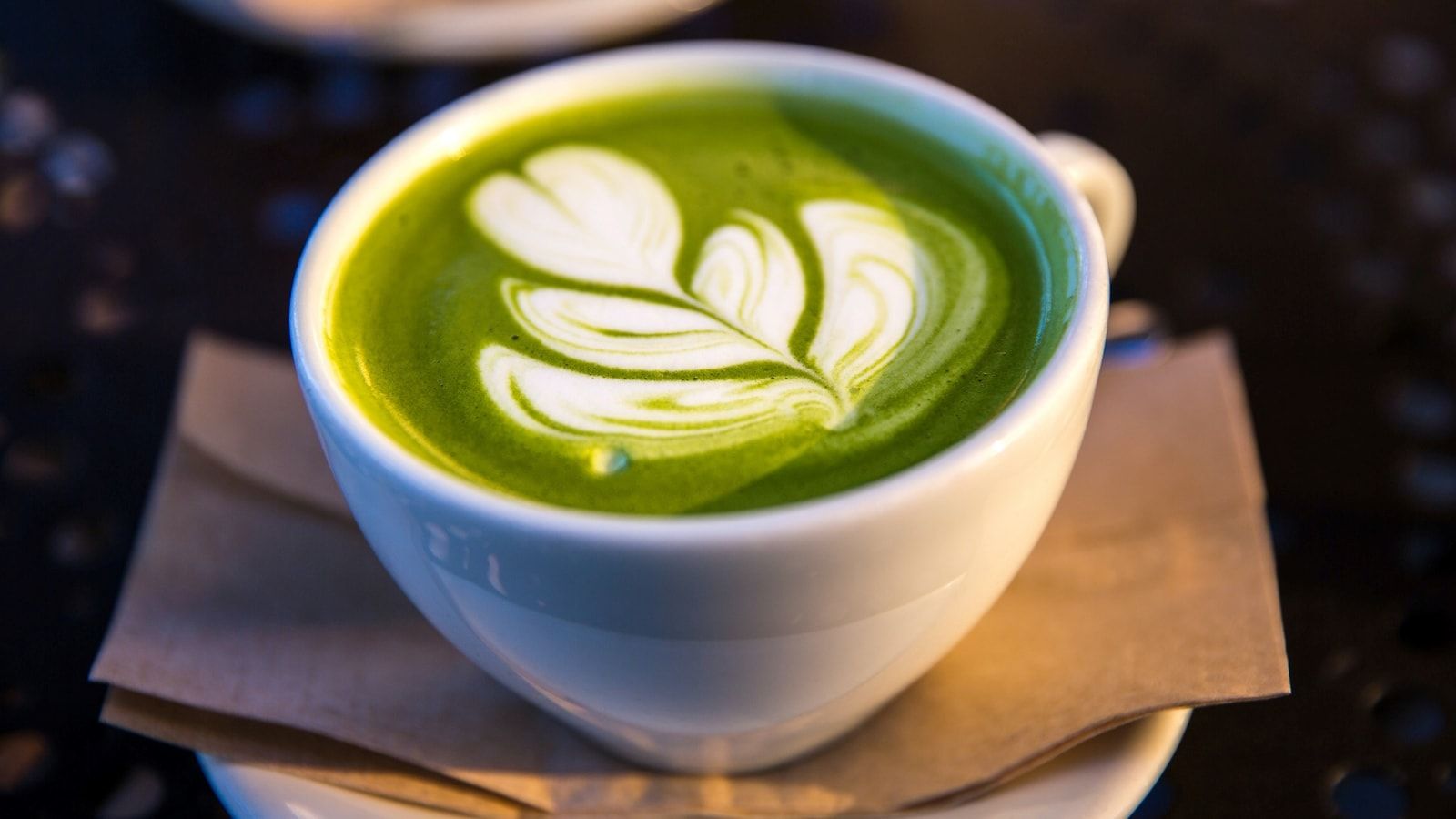
Matcha is more than a traditional Japanese drink. It is a culturally significant tea with a long history and a strong reputation for health benefits.
Its bright green colour, ritual importance, and growing global popularity have made it stand out, but the real interest goes beyond appearance or tradition. Matcha has also drawn attention from researchers and nutrition experts for its potential health value.
We look at the scientifically supported benefits that have made matcha tea a respected staple in modern health and wellness.
1. Antioxidants
Matcha is rich in catechins, especially EGCg, a powerful antioxidant that helps protect cells from damage caused by free radicals. These unstable molecules, often linked to pollution and poor diet, contribute to ageing and disease.
By helping neutralise them, matcha may support healthier cells, slow visible ageing, and strengthen the body’s defence against illness. Research has consistently highlighted green tea’s strong antioxidant profile, with EGCg as one of its key compounds.
2. Oxidative Stress
Matcha helps the body deal with oxidative stress, which is one of the main drivers of cellular damage and long-term health problems.
Matcha may help reduce oxidative stress, which supports healthier ageing and may lower the risk of some chronic conditions.
3. Focus
Matcha contains caffeine, but the effect is usually smoother and steadier than coffee. Instead of a sharp spike, it tends to give longer-lasting alertness and better focus.
That comes from the combination of caffeine and L-theanine, a naturally occurring compound in matcha. Together, they have been linked to improvements in attention, memory, and overall cognitive performance.
4. L-Theanine
L-theanine is one of matcha’s most valuable compounds. It helps promote a calm, focused mental state without making you feel sleepy. That is a big part of why matcha feels different from coffee. Instead of jittery energy, it supports clearer concentration and a more settled kind of alertness.
5. Metabolism
Matcha may also support metabolism and fat oxidation, which can help with energy use and weight management. It is not a shortcut to weight loss, but it can be a useful addition to a healthy routine that includes good nutrition and regular exercise.
6. Appetite Control
Matcha may also help with appetite control, which can make it easier to manage cravings and avoid unnecessary snacking.
It is not an appetite suppressant in any dramatic sense, but it may support more controlled eating when paired with a balanced diet and consistent routine.
7. Cholesterol
Matcha supports heart health by helping improve cholesterol levels, especially by lowering LDL cholesterol. Better cholesterol control can reduce strain on the cardiovascular system and support overall heart function.
8. Blood Pressure
Matcha also help support healthy blood pressure. Keeping blood pressure in a healthy range is important for overall cardiovascular health, and regular green tea intake has been linked to modest benefits in this area.
9. Inflammation
Matcha may help calm skin inflammation and reduce redness, especially when the skin is irritated by external factors. Its anti-inflammatory properties support skin health beneath the surface, helping it look calmer and more balanced. A 2012 study also pointed to green tea’s potential benefits for inflammatory skin conditions.
10. Chlorophyll
Chlorophyll gives matcha its green colour, but its role goes beyond appearance. It may support the body’s natural detox processes by helping remove certain toxins.
That can also show up in the skin, with a clearer and healthier-looking complexion. Research from 2020 discussed chlorophyll’s potential to bind to and help excrete toxins, supporting its detoxifying effects.
Embracing Matcha
Matcha goes far beyond tea. Its rich flavour, colour, and cultural appeal have made it a popular ingredient in food, drinks, skincare, and everyday rituals.
In the kitchen, matcha is used in everything from desserts and baked goods to savoury dishes, adding a distinct taste and vibrant green colour. Many people also swap coffee for a matcha latte as part of their morning routine, choosing a smoother and more balanced energy boost.
In skincare, its antioxidant content has helped drive interest in beauty products. It has even found a place in modern cocktail menus and gift culture, with matcha-based drinks and traditional tea sets becoming more common.
 Mark Thompson
Bottom Line
Matcha is deeply rooted in Japanese culture and history, valued for both its distinctive green colour and its cultural significance.
Today, it's widely recognised for its health benefits. Its popularity goes beyond trends, with growing scientific interest in the compounds it contains and the potential ways they support overall well-being.
So when you see a cup of matcha, think of it as more than a bright green drink. It is a tradition with history behind it and health value that still fits naturally into modern life.













)