Trees have many benefits, and they're a necessary part of a healthy environment. Some studies note that trees may reduce stress and improve your overall health. Trees could even make you happier. The most notable benefit we derive from trees is reducing flooding and erosion.
But did you know that having trees on your property may lower your energy consumption? During winter, trees can block cold air, resulting in a lesser need to turn on the heater. While in the summertime, trees provide ample shade to keep your house cool.
Trees can also increase the value of your property, something to take note of if you plan on selling your property in the future. But there will be instances when you need to take down a tree. When you want to start landscaping your lawn to give your home a new look, and an old tree is in an unwanted spot in your yard, you’ll have no choice but to cut it down.
Removing a tree can be done for many reasons. Aside from being in the wrong place, it might be diseased or dead. Diseased trees are better removed because not only are they an eyesore, sick trees, like humans, are also contagious. The pathogens in the dying tree can spread to other healthy plants in the area and make them sick.
Diseased trees may also have a weak trunk and may threaten your family. The tree may fall unexpectedly and hit anyone near it, causing injury or death. The fallen tree may also damage your property and cause you to spend a tremendous amount of money on repairs.
To properly remove a tree, you need these safety tips to ensure that you're doing it right and will not cause injury to yourself or others:
1. Conduct a thorough inspection
Before you cut the tree:
- Make sure you carefully inspect the tree and the surrounding area.
- Check where the tree is leaning so you can tell which direction it would fall.
- During the inspection, check the site, select an escape path, and clear that path of any obstruction.
- Prepare the site and make sure to inform everyone in your household. Children and pets shouldn’t be in the area when you cut.
2. Water the tree
The day before you make the cut, you should water the tree to soften the soil surrounding it. In this way, it will be easier to remove the tree specially if you want to transplant it.
3. Measure the size of the trunk
Measure the trunk, and for every inch, you should plan to dig 6 inches deeper to reach the entire root system. Getting the whole root ball out could salvage the tree if it's not dead and can be transplanted somewhere else.
4. Wear Personal Protective Equipment
Cutting a tree may be very dangerous, and all the more when you're not wearing proper gear. It would be best to have complete PPE to prevent injuries from happening. Damages could be fatal and life-threatening.
A full PPE should include: overalls to help you move freely, protective eyeglasses to shield your eyes from pieces of wood and wood dust in the air, gloves to protect your hands from cuts and abrasions, and earplugs since a chainsaw could damage your eardrums with its loud noise and vibration.
These are just a few helpful tree removal tips, and there are more on this list to ensure your safety when you do the task.
5. Inspect your tools
Successful tree removal needs the right equipment and tools. Carefully check each device if it's working and in good condition. Bladed and hand tools must be sharp and in good shape, as a blunt tool, such as an axe, could cause you to swing more forcefully and twice as much, which could tire you quickly and injure your shoulder and arms in the process.
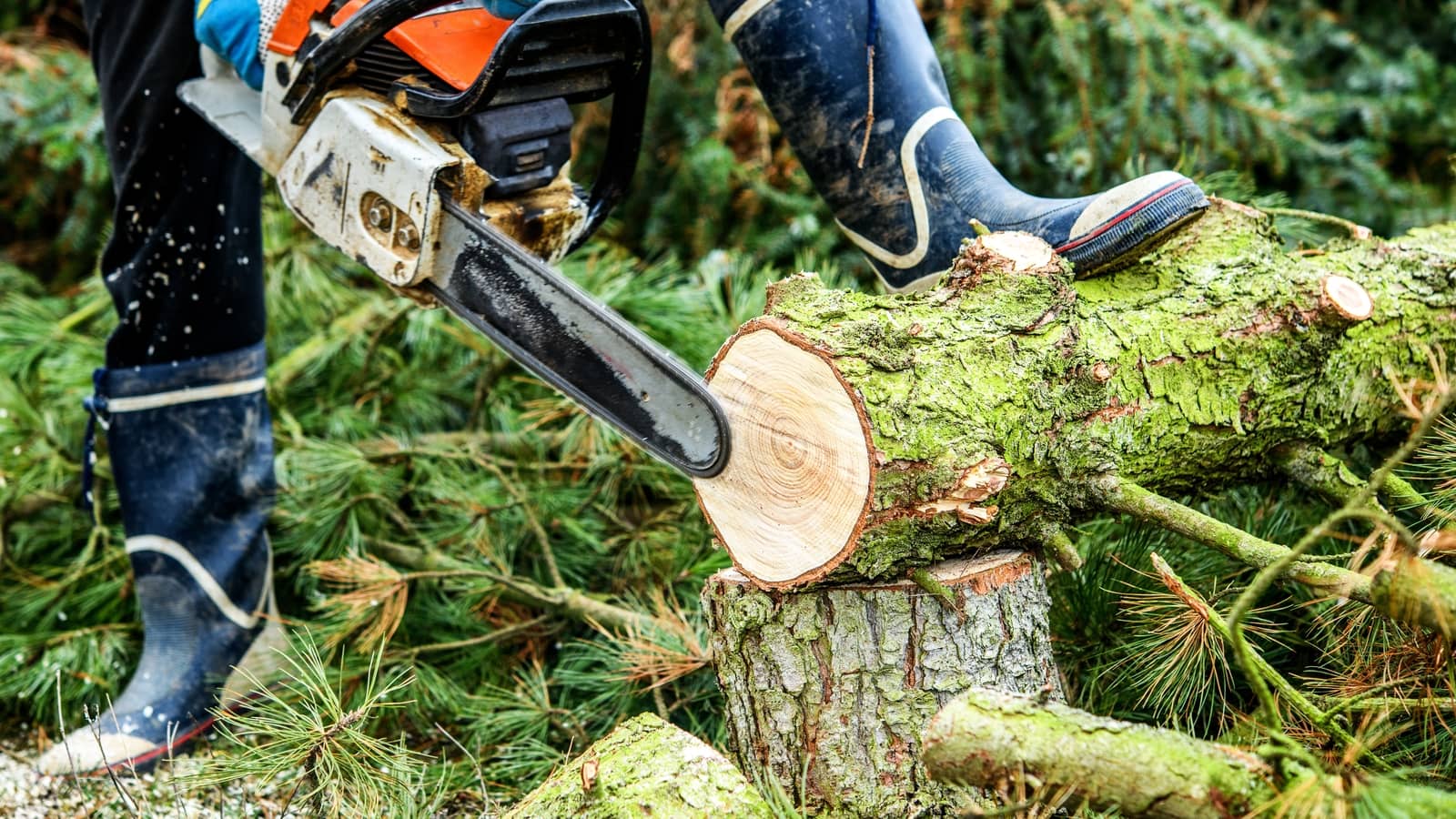
6. Use the correct chainsaw size
Not all chainsaws are created equal. For trees that are 10 inches in diameter, you may use a small chainsaw, but for trees with 10-18 inches, you need to use a medium chainsaw.
Aside from using the right size, you also need to ensure that the chainsaw is well-oiled and has enough fuel for the tree-cutting task. A chainsaw running out of fuel while in the middle of cutting is a terrifying scenario. Injuries and death have been reported because of it.
7. Don't operate unfamiliar equipment
Before you decide to cut a tree, you need to ensure that you and your companion are knowledgeable and have experience using the equipment. Never use a piece of equipment you're not trained to use, as this could be very detrimental.
8. Know the basics
When cutting a tree, you need to know the three basic cuts to make: wedge, back cut and the hinge. The wedge is necessary to keep your chainsaw from getting pinched by the tree, which is a fatal mistake. A proper wedge will also help the tree fall in the direction of the back cut.
The next cut is the hinge. The hinge is the wood area you keep intact and will help guide the tree where you want it to fall. The last significant cut is the back cut. It's done on the opposite side of the wedge. It will be the cut that would disconnect the tree from the stump, leaving the hinge that would help control the tree's fall.
9. Be mentally and physically alert
Tree felling is a tedious task, one that would consume all your energy. You need to ensure that you're in good health when you decide to take on this task.
You also need to be mentally alert, as failing to do so will result in accidents and unfortunate injuries. To be mentally alert, you need to have a decent amount of sleep, be well-nourished and hydrated before the task.
Conclusion
The rule of thumb in tree felling is that if you need a ladder to reach the limbs of the tree, it’s too big for you to remove. If you think you’re saving money by not hiring professionals, think again. These tips that are stated in this article should be your guide in deciding if you can accomplish the tasks safely or if you need to hire a professional to do it for you.