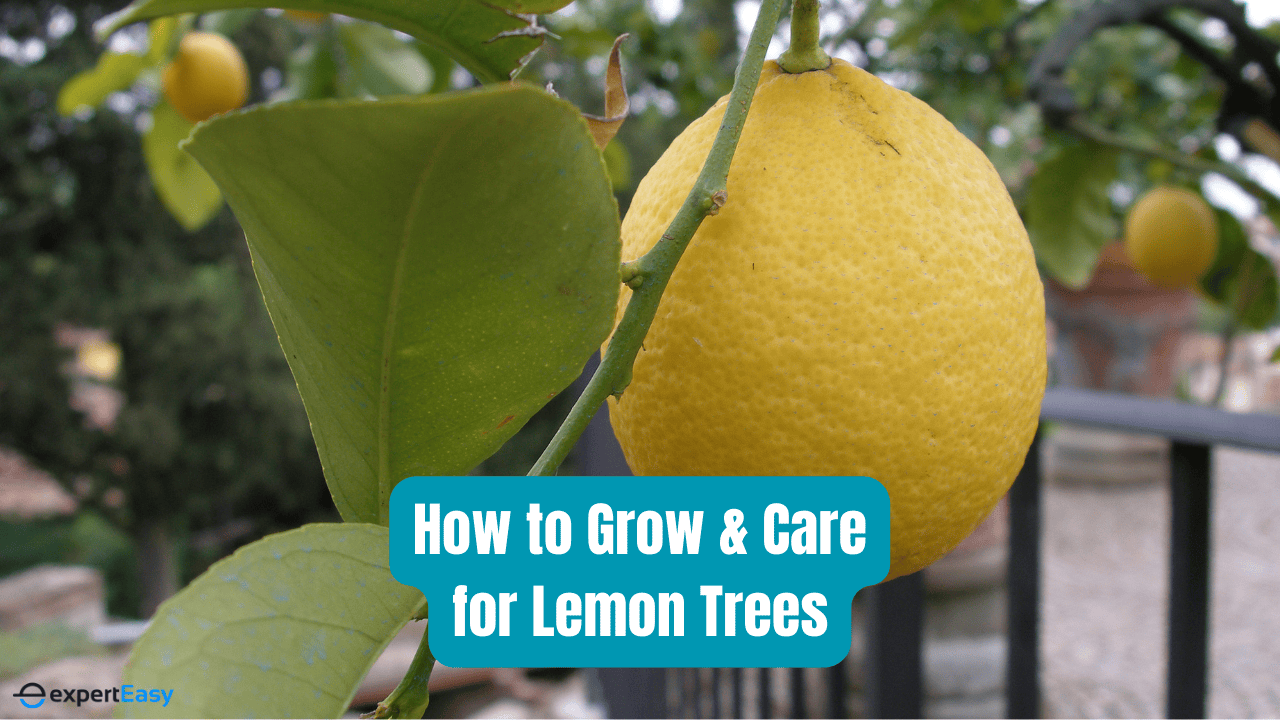
Citrus limon, commonly known as the lemon tree, is one of the most rewarding and low-maintenance fruit trees you can grow. Its fragrant blossoms and vibrant green foliage make it both productive and visually appealing in any garden.
Lemon trees are highly adaptable to different soils and climates, making them suitable for many Australian gardens. This guide covers the essentials for growing and caring for a healthy, productive lemon tree.
At a Glance
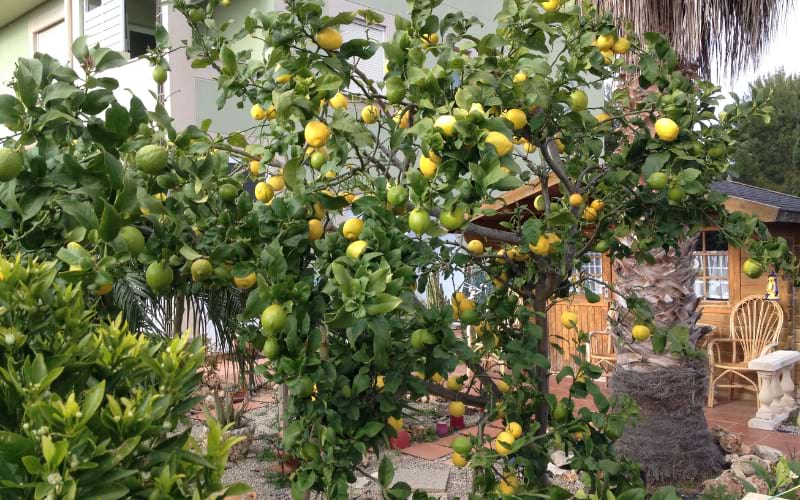
The lemon tree belongs to the genus Citrus and is believed to have originated in Northeast India. When grown naturally, it can reach up to six metres in height. Australia’s warm climate provides suitable conditions for these trees, which is why they are widely grown in orchards, citrus farms, and home gardens.
Lemons have a bright yellow colour, although some varieties appear slightly orange or green when ripe. They have a sharp, acidic flavour and are used in cooking, baking, and beverages. In Australia, lemon trees produce fruit all year, with peak harvest during the warmer months. Harvest times also vary, depending on the region and the variety.
Lemons are commonly used for their juice, zest, and pulp in a wide range of recipes. Australia also has a strong lemon industry, with commercial orchards across several states.
Lemon Tree Varieties in Australia
The most cultivated lemon tree varieties in Australia are Meyer, Lisbon, and Eureka. These varieties, with their unique characteristics and growth patterns, are well-suited to the varying climatic conditions across the continent.
Understanding the specific attributes of these varieties will aid in choosing the perfect fit for your garden, aligning with your local climate, and catering to your taste preferences.
#1 - Lisbon
This variety thrives in spreading upright, thorny, large lemon trees. The fruits of the Lisbon lemon are normally found within the canopy of the trees because of their vigorous growth habit. New flowers and leaves are tinged with purple, whereas the fruits are oblong and medium-sized with a prominent nipple. The flesh tends to be pale greenish-yellow and very acidic.
#2 - Eureka
Another commonly grown lemon tree in Australia is Eureka. The Eureka lemon tree grows strongly with a spreading, open form. It is best suited for Australian gardens in the Mediterranean climate. This variety is slightly less thorny and less cold-hardy compared to Lisbon.
The fruits of the Eureka lemon are usually held in clusters outside the canopy. The lemons are medium-small and elliptical or longitudinally ridged in shape. The tart-flavoured fruits are popular in the kitchen. Normally used for preserving, cooking, and juicing.
#3 - Meyer
The Meyer lemon tree is probably Australia's most popular and commonly grown variety. Unlike the other two varieties, Meyer is a hybrid of an orange or mandarin and a true lemon. This unique combination gives this variety a distinctive, less acidic profile than traditional lemons. The fruit is slightly sweet and aromatic with yellowish-orange flesh and excellent flavour.
How to Grow a Lemon Tree?
Whether you're keen on having your hand-cultivated lemon tree or purchasing a young plant for your garden, this guide will help you discover the magic of lemon trees growing in your backyard.
Pots vs. Garden Beds
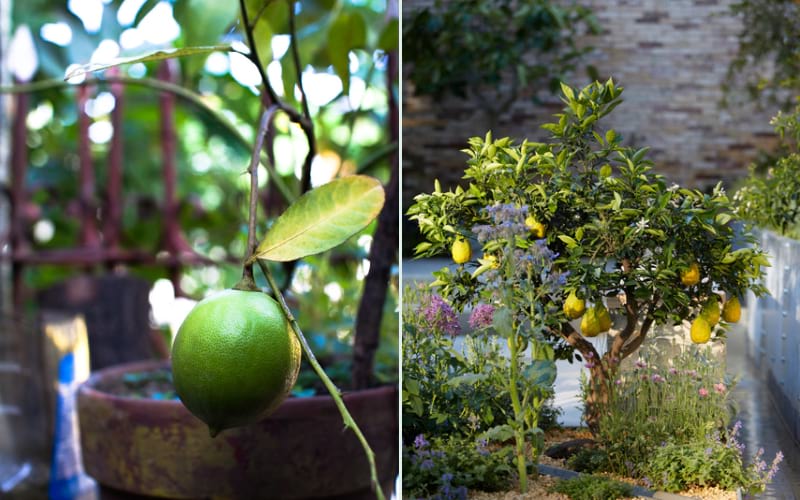
Depending on the available space and your preference, you can plant your lemon tree in a pot or directly in your garden.
a. Pots
You need a dwarf lemon variety to plant in a pot. Here are the simple things you need to do to plant your lemon tree in a pot successfully:
- Fill a sizeable pot (50+ cm wide) with a potting mix and place it in full sun
- Tag and pull the young lemon plant from its original container
- Carefully untangle or cut any tightly packed or tangled roots before planting
- Dig a wider and deeper hole in the potting mix, insert the plant, and gently firm the soil
- Water the newly planted lemon tree deeply two to three times a week
b. Garden Beds
If you have ample space, a garden bed can offer the perfect environment for a lemon tree to reach its full potential. Here is a quick step-by-step guide for planting a lemon tree in your garden:
- Choose a Suitable Location: A lemon tree is sensitive to low temperatures and tends to need a lot of light for fruiting. The more sunlight it gets, the better. You can grow the plant all year round in warmer or tropical areas of the country. However, the ideal time to plant lemon trees in cooler areas is from September to April.
- Prepare the Soil for Planting: Lemon trees can thrive in various well-draining soils. But they grow best in sandy loam soil. So, you may have to amend the soil by adding compost or mulch the area with compost. The pH should be 6.0 to 7.0. If not, you may have to add sulphate or lime.
- Dig a Sizeable Planting Hole: Dig a square planting hole of 50 by 50 by 50 centimetres. Mix the removed soil with root-promoting fertiliser, manure, and compost according to the recommended rates. They should be well-incorporated before backfilling into the hole. Now dig a planting hole into the backfilled soil mixture. A suitable planting hole should be deeper than a root ball.
- Plant the Young Lemon Tree: Gently remove your young lemon tree from the bag or pot. Carefully insert the root ball into the planting hole. Ensure the planting depth is correct. You will know the depth is correct if the level of the surrounding soil is the same as that of the root ball.
- Water the Lemon Plant: Water the plant thoroughly after planting. Water the plant at 8 to 10 days intervals during hot summer months and 10 to 15 days intervals during winter. Maintain adequate soil moisture during flowering and fruiting stages.
Propagating a Lemon Tree
The propagation of a lemon tree can be achieved in one of three ways: by seeds, cuttings, or air layering. Each has its unique method, but all lead to the same goal: a thriving, fruit-bearing lemon tree.
a. Propagating by Seeds
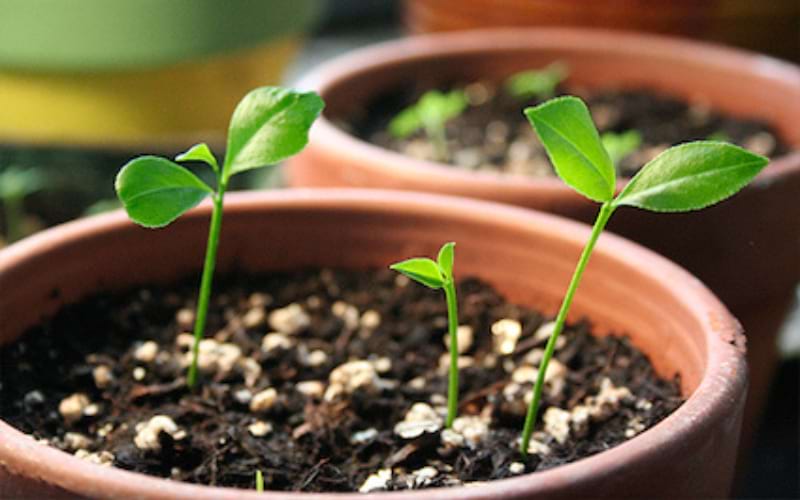
The most common method for propagating a lemon tree is by seed. Here’s how to go about it:
- Step 1: Obtain healthy fruit and carefully extract the seeds.
- Step 2: Mix the extracted seeds with ash.
- Step 3: Find a shady area to dry the seeds, ensuring they are spread out evenly.
- Step 4: Prepare a seed-starting or potting mix with good drainage.
- Step 5: Plant the seeds in the prepared mix, ensuring they are evenly distributed.
- Step 6: Maintain consistent soil moisture by regularly watering the soil damp but not oversaturated.
- Step 7: Find a warm spot with indirect sunlight to place the planted seeds.
- Step 8: Wait patiently for a few weeks for the seeds to germinate.
b. Propagating by Cuttings
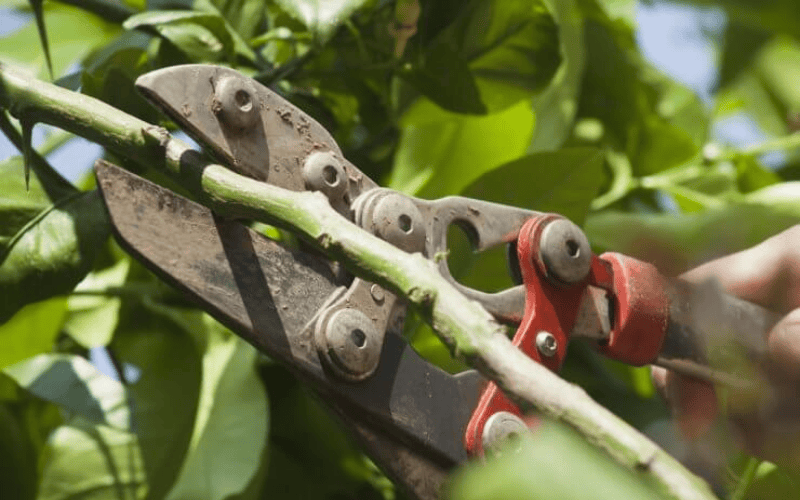
Here's the step-by-step process for propagating lemon trees through cuttings:
- Step 1: Take stem cuttings from a mature, healthy lemon tree.
- Step 2: Ensure each cutting has three to four matured plump buds
- Step 3: Remove the basal leaves from the cuttings
- Step 4: Make clean cuts on both ends of the cuttings
- Step 5: Set up seed boxes or raised beds for the cuttings
- Step 6: Optional - Dip the cuttings into a rooting hormone to enhance the rooting process
- Step 7: Place the cuttings in a potting mix within the seed boxes or raised beds
- Step 8: Maintain consistently moist conditions for the cuttings
- Step 9: Wait for approximately eight weeks for root development to occur.
c. Propagating by Air Layering
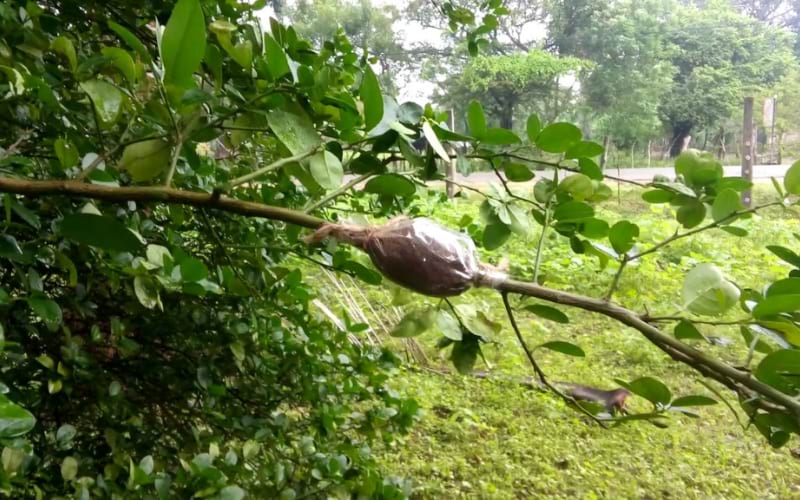
To propagate a new lemon tree using air layering, follow these steps while the stems are still attached to the parent plant.
- Step 1: Choose a suitable stem on the lemon tree.
- Step 2: Make a vertical cut on the stem.
- Step 3: Apply rooting hormone to the cut area.
- Step 4: Wrap the cut section with moist moss or rooting medium.
- Step 5: Cover with plastic wrap to create a sealed environment.
- Step 6: Monitor and maintain moisture levels.
- Step 7: Check for root development after a few weeks.
- Step 8: Cut below the rooted section of the stem.
- Step 9: Plant the rooted section in a pot with a suitable soil mix and provide proper care.
How to Care for a Lemon Tree
Once you've grown your lemon tree, understanding the proper care routines is crucial for a thriving, fruit-bearing tree. Let's dive into the tips and tricks to keep your citrus in peak condition.
Lighting
While lemon trees are versatile, they demand plenty of light to thrive; a hefty 6 to 8 hours daily, whether indoors or outdoors. So, you may have to invest in quality grow lights if your home doesn’t have east-facing and north-facing windows. Lemon trees need sufficient light to flower and produce fruit.
Watering
Native to the Mediterranean, lemon trees are adapted to drier climates, but regular watering is vital. Wait until the top 1 to 2 inches of soil are dry before quenching your tree's thirst. In summer, you might need to water more frequently than in winter. Misting the leaves a few times a week offers a beneficial boost in humidity.
Temperature
When planting a lemon tree in a pot indoors, ensure the surrounding area is warm. Lemon trees hate radical temperature changes or cold temperatures. This plant usually thrives at steady temperatures from 10 to 27°C (50 to 80°F).
Feeding
If your lemon tree is grounded outdoors, consider feeding it with a water-soluble fertiliser, guided by the manufacturer's instructions. Granular fertilisers, such as citrus food, are another excellent choice.
For garden trees, fertilise up to the drip line, and repeat this about four times a year. You can also use organic fertilisers, like fish emulsion, as a direct soil amendment or foliar feed.
Pruning
Most lemon tree varieties tend to be energetic growers, necessitating judicious pruning. Create a balanced and symmetrical canopy by pinching off branch ends at the right times and thinning out small branches judiciously.
Pruning opens the tree's centre, bolsters the shoots, eradicates diseased or dead wood, and makes the plant more manageable. Removing lower foliage also curtails fungal and snail damage caused by soil splash.
Harvesting
Lemons are considered ripe for harvest when they exhibit certain characteristics. These include a yellowish-green or solid yellow colour, firmness to the touch, and a size of about 2 to 3 inches.
During harvesting, it is crucial to prioritise fruit size over colour. Picking lemons prematurely, regardless of their yellow or greenish-yellow appearance, can produce less juiciness and an excessively sour taste.
Common Pest and Plant Diseases
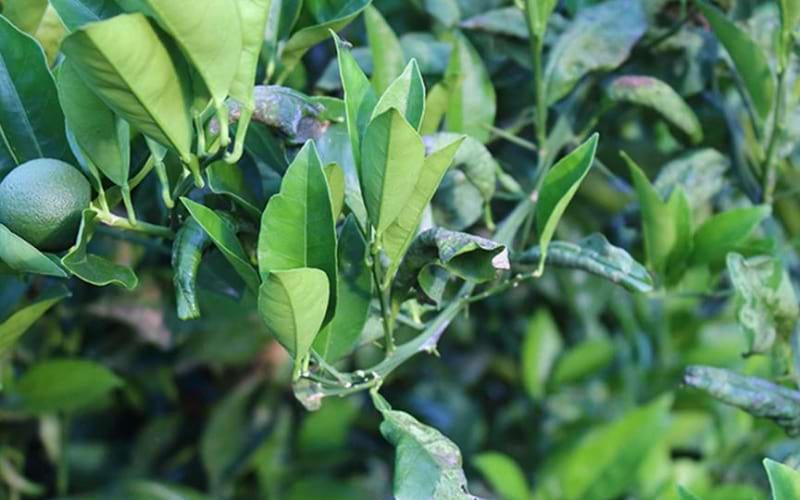
Despite their resilience, lemon trees can fall victim to pests and diseases. The most common pests and diseases to look out for in Australia are:
- Citrus gall wasp: Lays eggs in young stems, forming swollen galls. These galls weaken branches and reduce the tree’s health and productivity.
- Citrus leaf curl: A common condition where leaves curl due to environmental stress or viral and fungal infections.
- Sooty mould: A black fungal growth that forms on leaves and stems where insects like aphids or scale leave honeydew. It blocks sunlight and reduces photosynthesis.
- Scale: Small insects that attach to leaves and stems and feed on sap. Infestations cause yellowing, stunted growth, and leaf drop.
- Crown rot: A disease affecting the base of the tree, usually caused by poor drainage or overly wet soil. It can lead to root decay and eventual tree decline.
- Aphids: Tiny sap-sucking insects that cause distorted growth, yellowing leaves, and sticky honeydew buildup.
- Citrus leaf miner: Larvae tunnel through leaves, leaving silvery trails and causing curled or distorted foliage.
- Fruit fly: Lays eggs inside developing fruit. The larvae feed on the pulp, causing puncture marks, fruit drop, and internal rot.
Potting and Repotting Lemon Trees
Potting and repotting are important processes when caring for potted plants. It is essential to provide the plant with more space for root growth and access to fresh nutrients. When potting any type of lemon tree, here’s what to do:
Step 1: Choosing the right pot and potting mix:
- Select a pot or container with drainage holes to prevent waterlogging.
- Prepare a well-draining potting mix suitable for citrus plants using a combination of peat moss, perlite, and organic matter.
Step 2: Potting the lemon tree:
- Gently remove the lemon tree from its current pot, careful not to damage the roots.
- If the tree is rootbound, loosen the root ball to encourage healthy growth.
- Place a layer of potting mix at the bottom of the new pot for stability.
- Position the lemon tree in the center of the pot and add potting mix around the roots, ensuring even coverage.
- Press down the potting mix to eliminate air pockets and provide stability.
- Thoroughly water the potted lemon tree until water drains out, helping to settle the soil and ensure proper hydration.
- Place the pot in a suitable location with ample sunlight and good air circulation.
- Monitor moisture levels and water the tree when the top inch of soil feels dry, avoiding overwatering.
Step 3: Repotting the lemon tree:
- Repot every 2-3 years as the lemon tree outgrows its current pot.
- Follow the same steps as potting, but choose a slightly larger pot to accommodate the expanding root system.
- Repot during the spring season when the tree is actively growing.
Frequently Asked Questions (FAQs)
Here are some frequently asked questions on the growth and care of a lemon tree.
What is the ideal soil for growing a lemon tree?
Lemon trees prefer well-draining soil. A sandy loam mix is often the most suitable for healthy growth. The pH should ideally be between 6.0 and 7.0. You can enhance the soil by incorporating compost or mulch. If your soil is too acidic or alkaline, consider adding sulphate or lime to balance it.
How much light is necessary for growing a lemon tree?
Lemon trees thrive in abundant light. They require about 6 to 8 hours of sunlight each day. If your tree is indoors or in a spot that doesn't receive enough natural light, supplement with grow lights to ensure the tree gets enough illumination to flower and produce fruit.
How frequently should I be watering when caring for a lemon tree?
Regular watering is vital for the health of a lemon tree, but the timing depends on the season and the soil's moisture level. Always check the top 1 to 2 inches of soil and only water when it feels dry. In warmer seasons, more frequent watering may be necessary.
 Laura
Laura
Conclusion
Should you grow a lemon tree? Absolutely. It is one of the most rewarding plants to have in a garden. Once it starts producing, you will have a steady supply of fresh lemons for cooking, drinks, and everyday use.
Lemons are valued not only for their flavour but also for their health benefits. They are commonly associated with improved digestion, heart health, weight management, and a reduced risk of kidney stones.
Growing a healthy lemon tree requires a few key conditions: plenty of sunlight, warm temperatures, well-drained soil, regular watering and feeding, proper pruning, and careful pest and disease control. If needed, seek advice from local gardening professionals.