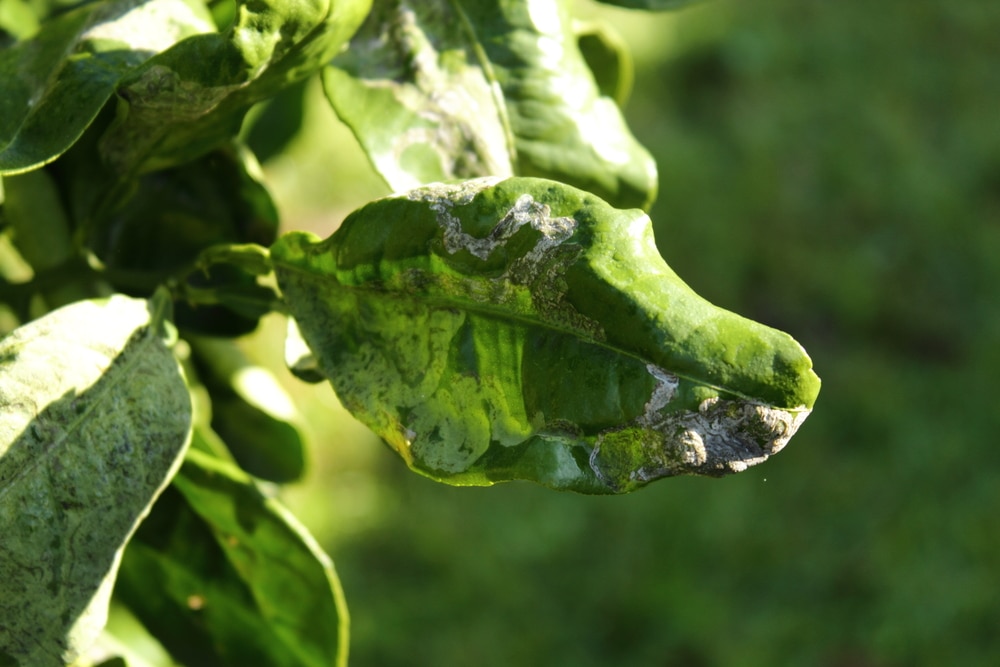
Curling leaves on a lemon tree can be worrying, especially if you’re unsure what’s causing it. This common issue can result from several factors, including pests, disease, or environmental stress.
In this guide, we’ll look at the main reasons lemon tree leaves curl and outline practical solutions to help restore your tree’s health.
Lemon Tree Leaf Curl
Lemon tree leaf curl, also known as citrus leaf curl, is a common disorder that affects lemon trees and other citrus plants. This happens during extreme environmental factors or is often the result of a viral or fungal infection. The symptoms of the citrus leaf curl include:
- Leaf Curling: The leaves of affected lemon trees curl inward, giving them a distinctive cupped appearance. The extent of curling can vary, ranging from mild to severe.
- Leaf Distortion: Along with curling, the leaves may become thickened, crinkled, and exhibit abnormal growth patterns.
- Leaf Yellowing: Infected leaves often turn yellow or exhibit mottled patterns, indicating a loss of chlorophyll.
- Stunted Growth: In severe cases, the overall growth of the tree may be affected, leading to stunted branches or reduced fruit production.
What Causes the Lemon Tree Leaf Curl?

Your lemon tree may develop curly leaves as a result of the following:
Pests and Diseases
An array of uninvited guests and illnesses can cause your lemon tree leaves to curl up. Here are the usual suspects:
- Citrus Leafminer: Lemon trees can experience leaf curling and twisting due to the presence of a small, invasive pest, the leafminer larvae, which invades the tender new growth of the tree. As they burrow into the leaves, they leave behind silvery trails. Unlike other pests, these larvae do not feed on tree sap but instead tunnel through the leaf tissues. The abundance of these pests and the extensive tunneling they create within the leaves are what ultimately lead to the curling of the leaves.
- Aphids, Mites, and Psyllids: These insects feed on the sap of lemon tree leaves, causing them to curl and distort over time. They are also capable of transmitting other diseases to the tree, acting as vectors of disease-causing microorganisms.
- Fungal and Bacterial Infections: Diseases such as citrus canker, citrus greening, botrytis, lime leaf blotch, and powdery mildew can affect lemon trees and lead to leaf curling. The presence of a pathogen in the tissues of your lemon tree will negatively affect the growth, and leaf curl is a quick sign of this.
Extreme Environmental Factors
Besides pests and diseases, extreme weather conditions over a lengthy period can distort the leaves of your lemon tree. These include:
- Water Stress: Insufficient or excessive watering can cause stress to lemon trees, resulting in curled leaves. Similarly, inconsistent watering practices, such as irregular intervals or overwatering, can disrupt the tree's water balance. Underwatering is particularly deleterious as it causes delays in fruiting in addition to leaves curling.
- Temperature Extremes: Lemon trees prefer a warm climate but are sensitive to extreme heat or cold. Exposure to high temperatures or frost can cause leaf curling as a defence mechanism. Likewise, intense sunlight can scorch the leaves of a lemon tree, leading to curling, discolouration, and browning, especially from the edges.
- Wind Damage: Strong winds can dehydrate the leaves and cause them to curl. Windy conditions can also break branches, further stressing the tree.
- Nutrient Deficiencies: Lack of essential nutrients, such as nitrogen, phosphorus, or iron, can manifest as curled leaves in lemon trees.
How to Treat Lemon Leaf Curling?

Now that we've identified the culprits behind your lemon tree's leaf curl, let's roll up our sleeves and explore the solutions to get your citrus plant singing again. Remember, knowing the root cause is only half the battle won.
Part 1: Pest and Disease Management
To take action against pests and diseases, you must get rid of insects like leafminers, aphids, and the infections that are causing your lemon leaves to curl.
- Citrus Leafminer Control: Check your tree regularly for leafminer traces. Spotting silvery trails? That's your cue to remove and destroy those affected leaves to keep the population under control. Giving the tree a spritz with organic pest busters like neem oil or spinosad could also put a dampener on the leafminer party.
- Aphid, Mites, and Psyllid Control: Use a strong jet of water to dislodge aphids, psyllids, and mites from the leaves. Introduce beneficial insects like ladybugs or lacewings that prey on aphids. Neem oil or insecticidal soaps can be used for chemical control of these insects.
- Fungal and Bacterial Infections: Prune and dispose of infected plant parts. Apply appropriate fungicides or bactericides as recommended by a horticulturist or local nursery professional. The use of copper spray is a good way to inhibit fungal and parasitic plant growth on your lemon.
Part 2: Environmental Management
Lemon leaf curl caused by extreme environmental conditions can be controlled by ensuring the following:
- Watering: Ensure consistent, deep watering. Water the lemon tree deeply once or twice a week, allowing the soil to dry slightly between waterings. Avoid overwatering, which can lead to root rot.
- Mulching: Apply a layer of organic mulch around the base of the tree to retain moisture, regulate soil temperature, and suppress weed growth.
- Sun Protection: Shield the tree from intense sunlight by providing shade during the hottest part of the day, especially during the summer months. You can use shade cloth or strategically place taller plants nearby.
- Windbreaks: Install windbreaks such as fences, screens, or hedges to protect your lemon tree from strong winds. Prune any damaged or excessively long branches that are more vulnerable to wind damage.
- Nutrient Management: Test the soil to identify any nutrient deficiencies. Use a balanced citrus fertiliser or specific supplements to address the deficiency. But be sure to follow the instructions provided to avoid over-fertilisation.
Lemon Tree Care and Maintenance Tips
Lemon trees require attention, care, and a heap of love to thrive. Whether it's a single tree in your backyard or a whole orchard, these simple tips will ensure your tree grows up strong and healthy.
Selecting and Planting Your Lemon Tree
A healthy tree starts with a top-notch sapling, so hunt around for a reputable nursery to source your tree. Lemon trees are sun-lovers and are happiest in warm climates and sunny spots. They prefer a good drainage system with slightly acidic soil with a pH of about 5.5 to 6.5.
When planting, dig a hole a bit larger than the root ball, fill it back with a combination of compost and soil, then snug the sapling in at the same level as in its nursery pot. Give it good water to welcome it to its new home.
Watering
Lemon trees can handle the heat, but they get thirsty in hot, dry weather. When you water your tree, go deep - let the water reach down to the roots, then let the soil dry a tad before the next watering. But be careful; too much water can cause root rot. A layer of mulch around the tree base can help keep the soil moist and cool.
Fertilising
Regularly applying a balanced citrus fertiliser will keep your tree in tip-top condition and help it produce those tangy fruits we love. Start fertilising at the first signs of spring and keep it up every six to eight weeks until the end of summer.
But give it a break during winter, as fertilising can encourage tender growth which could be nipped by the cold. If you prefer a natural alternative, a top dressing of compost or well-rotted manure can do wonders.
Pruning and Grooming
A bit of trim can work wonders for your lemon tree. It helps air circulate, keeps the tree in shape, and gets rid of any sickly branches. Ideally, you want to prune late in winter or early spring before new growth kicks off.
Begin by chopping any suckers at the tree's base, then selectively prune branches to maintain an open, sunny canopy. Get rid of any dead, damaged, or crossed branches. And remember, it's not a haircut - don't remove more than a third of the tree's foliage at a time.
Pest Control
Pests can be a real menace to your lemon tree. Be on the lookout for signs of critters like aphids, scales, and citrus leaf miners - things like twisted leaves, sticky residue, or little bugs.
If you spot an infestation early, horticultural oil or insecticidal soap can nip it in the bud. For tougher cases, a chinwag with your local garden centre or a professional arborist could be the ticket.
Protection from Frost
In regions where frost is a concern, it's crucial to protect lemon trees during cold spells. Cover the tree with a blanket or frost cloth, ensuring it reaches all the way to the ground, and secure it firmly to prevent cold air from reaching the tree.
Additionally, consider using a frost-resistant rootstock or growing the tree in a container that can be moved indoors during freezing temperatures.
Frequently Asked Questions (FAQs)
Here are some frequently asked questions about lemon tree leaves curling.
How can I determine the cause of the leaf curl in my lemon tree?
To determine the cause of leaf curl in your lemon tree, it's important to carefully examine the affected leaves and consider environmental factors. Look for signs of pests, such as aphids, leafminers, or scales, on the leaves and stems. Check the overall health of the tree, including soil moisture levels and nutrient deficiencies.
Can leaf curl be prevented in lemon trees?
While it may not always be possible to prevent leaf curl entirely, there are steps you can take to minimise its occurrence. Ensure that your lemon tree is planted in well-draining soil and receives adequate sunlight, and follow a regular watering schedule to avoid overwatering and underwatering.
Is leaf curl harmful to my lemon tree's overall health and fruit production?
Leaf curl is not usually harmful to a lemon tree’s long-term health. However, it can weaken the tree and reduce its ability to produce healthy, abundant fruit. This is especially true when the curl is caused by pests or fungal infections, which can lead to more serious problems if left untreated. Addressing the issue early and providing proper care helps maintain the tree’s health and fruit production.
 Mark Thompson
Final Thoughts
Curling leaves on a lemon tree can be concerning, but the problem is usually manageable with the right approach. The key is to identify the cause, whether pests, disease, or environmental stress, and address it with the appropriate treatment.
Regular monitoring and good care practices help prevent most issues. Consistent watering, balanced nutrition, and protection from extreme weather all support healthy growth. With proper conditions and timely action, your lemon tree can recover and continue producing fruit.