
With rising living costs and ongoing economic uncertainty, many households are paying closer attention to where their money goes. When budgets are tight, finding practical ways to reduce regular expenses becomes a priority.
Energy bills are often one of the largest ongoing household costs, which naturally leads many people to question whether switching to energy-efficient appliances actually saves money in the long run.
While these appliances often cost more upfront, the real value lies in how much they reduce energy use over time. The answer isn’t always straightforward, and it depends on how you use them.
Purchasing Only for Energy Saving
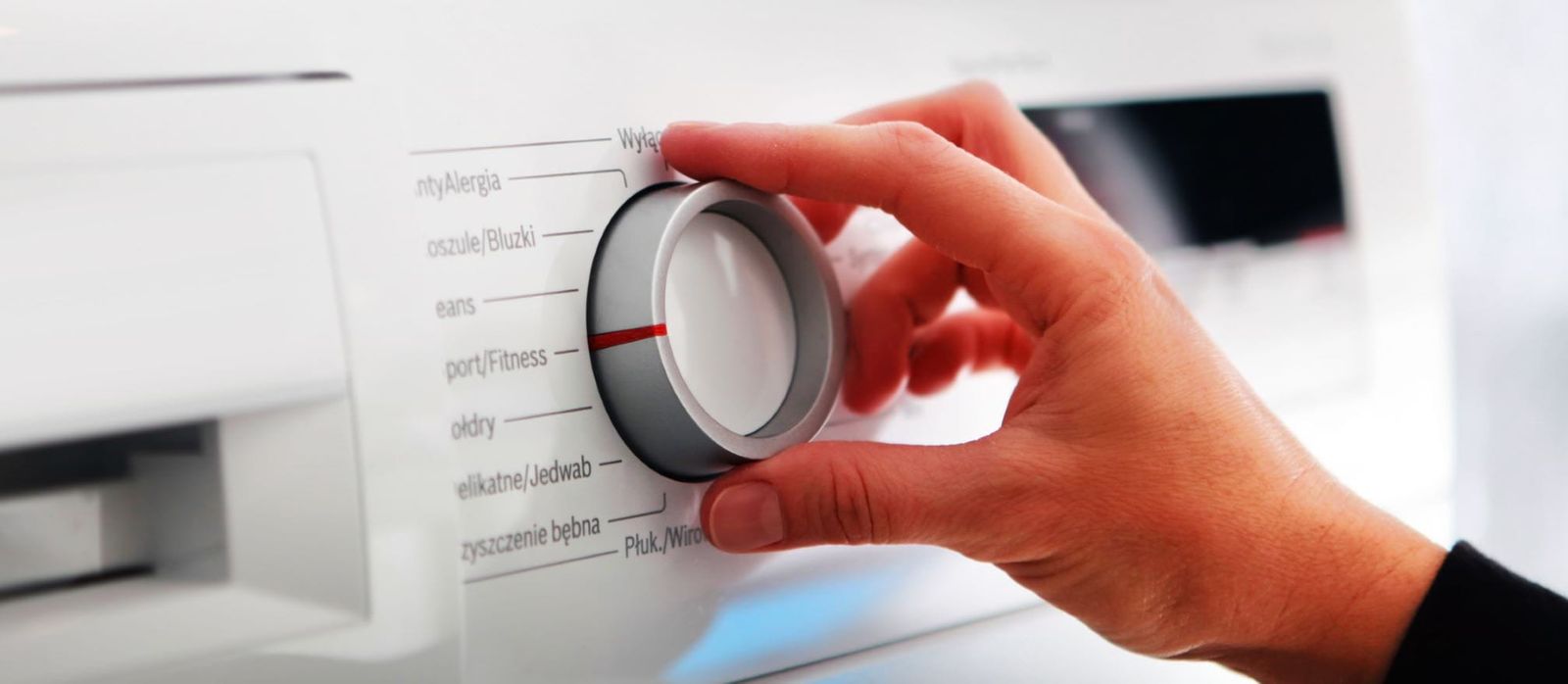
If you’re thinking about buying a new appliance purely because it’s cheaper to run, it’s important to weigh that saving against the upfront cost. A new washing machine in Australia can easily cost $700 or more, although it may use significantly less energy than an older model.
That sounds like a clear saving, but it depends on how often you actually use the appliance. Older washing machines can cost roughly $2 per wash to run. If you do three loads a week, that’s about $6 per week, or roughly $312 per year. A newer, energy-efficient model may use around half the energy, reducing annual running costs to about $156 and saving roughly $156 per year.
However, these estimates are generous and often include detergent and some allowance for drying. Once you factor in the purchase price of the new machine, it can take three to four years to break even. In most cases, that means buying a new appliance solely for lower running costs isn’t the most cost-effective decision.
The same principle applies to most household appliances. If your current appliance is working well, it may take many years to recover the cost of replacing it. There’s also the environmental impact to consider; disposing of a functioning appliance creates waste and can outweigh the energy savings gained from upgrading too early.
When You Need an Appliance
If your appliance is dead or needs regular repair, then you need to purchase a new one anyway. In this instance, you should look for the most energy-efficient one possible. This will speed up the recovery of your funds and reduce your monthly energy usage and bills.
But, you should also ensure that the appliance is no bigger than you need and, if possible, has a lighter setting. This is common with dishwashers and washing machines.
Don’t forget that in the long term, the new appliance will save you money. But, if yours isn’t broke, consider waiting. Every year, more efficient machines are created; the longer you wait, the more energy-efficient the machine you buy may be.
The Energy Rating
If you’ve decided to replace an old appliance, the next thing to check is its energy rating. In Australia, appliances are labelled with star ratings; the more stars, the more energy-efficient the appliance.
Higher-rated appliances cost less to run.
For example, a 3-star fridge costs around $106 per year to run, while a 5-star model costs about $63, saving roughly $43 annually. Similar savings apply to washing machines and other household appliances.
While higher star ratings can help offset the cost of a new appliance over time, it’s important to compare similar products. Larger appliances generally use more energy, regardless of their rating. And remember, energy savings only work if your usage habits stay the same.
Water Usage
When considering energy-efficient appliances, you should also look at water consumption, where appropriate.
Modern machines achieve the same level of cleanliness with much less water than older ones. This won’t affect your energy bill, but it will cost you more in water usage. It will also increase your impact on the environment.
If the label doesn’t show the water usage of your machine, take a look at the manual. It’s important to note this figure and compare it with other potential choices. It will help to ensure you purchase the right machine for your needs and your budget.
Additional Tips to Save Energy
Lower temperatures mean higher energy use. Your fridge runs most efficiently at 3–4°C; setting it colder can increase energy use by about 5%. Your freezer should be set between –15°C and –18°C.
Hot washes also use more energy, as heating water is the highest cost. Whenever possible, wash in cold water and air-dry your clothes; line drying alone can save around $100 a year compared to using a dryer.
Modern washing machines and dishwashers with hot and cold connections use less energy, and newer models with water-retention features can reduce usage even further.
Larger TVs and powerful computers use more electricity, but the savings from downsizing a TV are modest, around $26 a year for a smaller screen. A bigger impact comes from turning devices off when not in use and adjusting power settings, especially on computers.
Consider Your Energy Supplier
Changing your appliances to ones that are modern and more efficient to run makes sense when you need to change the appliance anyway. This is a great way to reduce your annual energy bill and help to save the environment.
You also need to consider where your energy is coming from. You should assess your current supplier and make a note of which suppliers can offer you a better deal. You may be surprised at how much you can save.
Don’t forget to compare introductory deals and long-term deals. An energy contract can look very attractive if you’re getting the energy for half price. However, if the price rises to double after 6 months, your energy contract will not look so attractive, and your energy savings will disappear.
Choosing the right energy supplier will also allow you to look at their green credentials. More and more energy is being created via sustainable sources, such as solar and wind. Choosing a supplier that focuses on these methods means you’re not just saving yourself money, you’re also saving the planet.
To help assess your current energy usage and the savings you’re making, you could also have a smart meter installed. This will help you to monitor usage, change your habits, and ultimately save energy and money.




)
)
)