
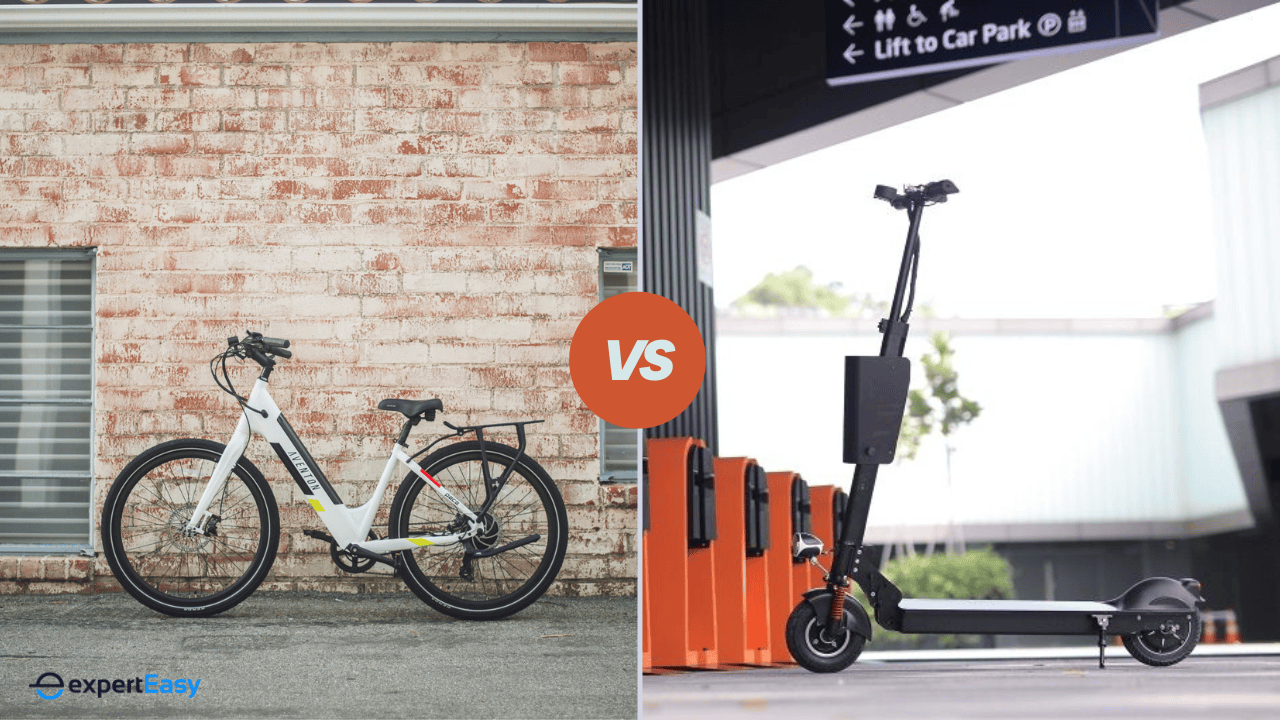
Commuting in densely populated cities can be difficult, particularly in high-traffic areas. As a result, many people turn to alternative transportation options to travel more efficiently.
In Australia, residents of major cities such as Sydney, Brisbane, Melbourne, Adelaide, and Perth are increasingly adopting personal electric vehicles. These are cost-effective alternatives to traditional commuting methods. However, each comes with its own advantages and limitations.
If you are unsure which option suits you, we've outlined the key differences between e-bikes and electric scooters, comparing their benefits and drawbacks to help you make an informed decision. First, it is important to understand what e-bikes and electric scooters are.
What are Electric Bikes?

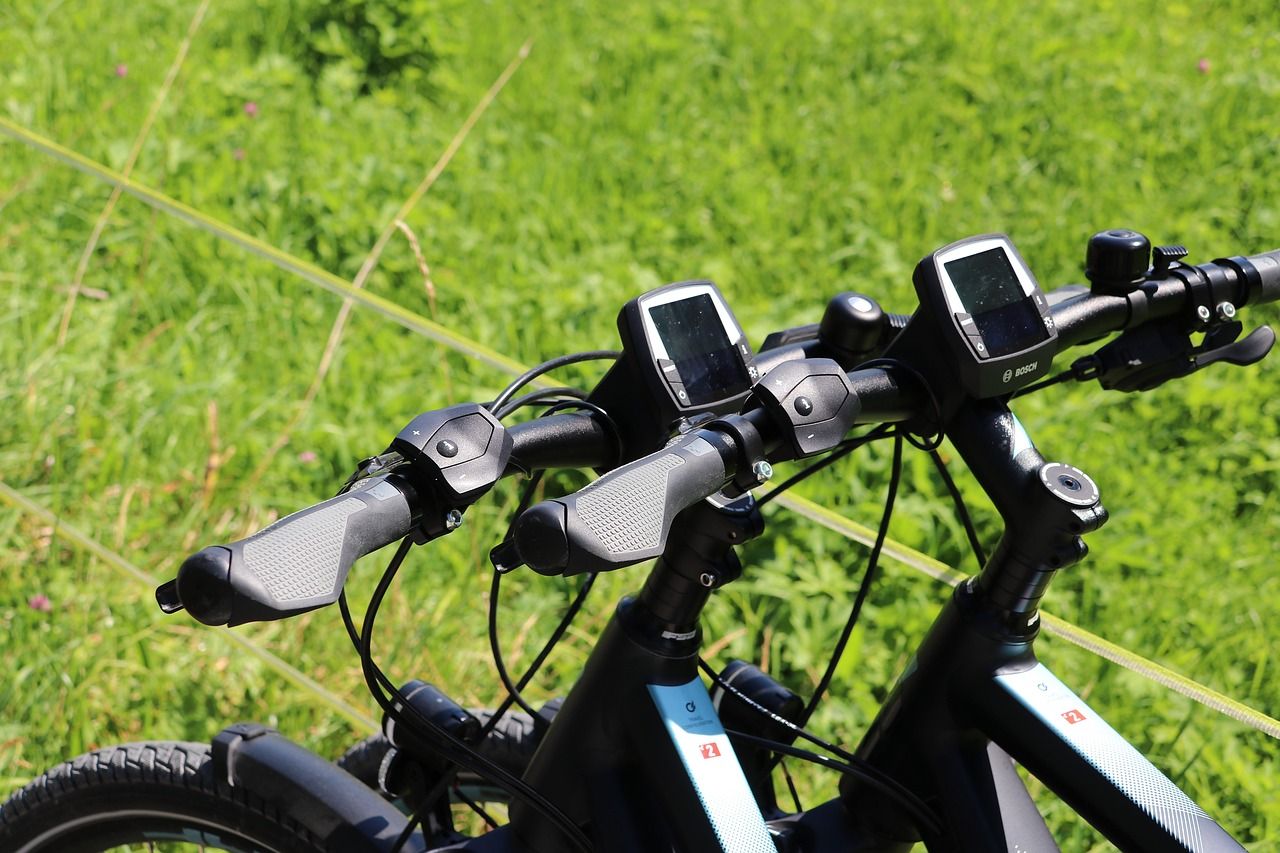
E-bikes are modern bicycles equipped with an electric motor and a battery. These bicycles provide the rider with a boost of power supplied electrically through the motor to make riding easier. Electric bikes come in different forms and functions. Some have assisted pedalling while others offer more in cruise modes, where the bicycle moves fully powered electrically.
The motor is powered by a rechargeable battery, which is usually removable for charging. There are different types of e-bikes based on their design and usage. We have commuter, mountain, folding, cargo, and cruiser e-bikes. They are great and affordable means of transportation that offer the benefit of a traditional bicycle with the added electric motor assistance.
What are Electric Scooters?

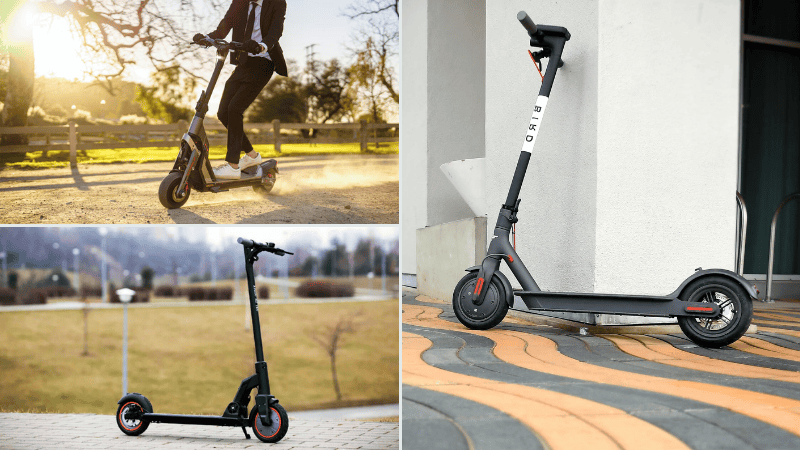
An electric scooter is a means of transportation that includes an electric motor and rechargeable batteries. They feature a portable and lightweight design with a deck and handlebars. The rider stands upright while holding the handlebars to ride on an electric scooter, and their battery is usually removable to enhance recharging.
There are different styles and sizes of scooters, but the majority are portable and small for easy storage and short-distance movement. Still, you'll find other heavy-duty models for longer distances and rough terrains.
Similarities Between E-bikes and eScooters
Electronic bikes and scooters are personal electric vehicles with clear differences. But before we consider these differences and discuss in-depth which you should choose, let us see how they are alike:
- They are both eco-friendly means of transportation.
- They are low-cost alternatives to public means of transportation.
- Both are convenient for lovers of outdoor riding.
- They are both easy to store especially with foldable electric bikes.
E-Bikes vs. Electric Scooters
We discuss the difference between electronic bikes and scooters under eight different categories to help you decide which is ideal for you. Let's get into it.
01 – Design and build
E-bikes and electric scooters differ significantly in design and structure. The most noticeable difference is the riding position. Electric scooters feature a deck where the rider stands while holding the handlebars. In contrast, e-bikes have a saddle, similar to a traditional bicycle, allowing the rider to sit.
Scooters have a simpler design: a deck, handlebars, and small wheels. E-bikes are more complex, with larger wheels, a frame, a saddle, drivetrain components, and additional mechanical parts.
02 – Speed and range
In terms of speed, e-bikes generally outperform electric scooters due to their more powerful motors. Most e-bikes can reach average speeds of 40–50 km/h, while electric scooters average around 25 km/h.
Although some scooters can reach up to 40 km/h, such speeds are rarely permitted on Australian roads. Speed limits for e-bikes and e-scooters are regulated by region, with 25 km/h being the commonly enforced limit for pedal-assist vehicles.
Regarding range, e-bikes also tend to have an advantage. Their batteries usually last longer than those of electric scooters. However, scooters are lighter and more compact, making them easier to carry on public transport if the battery runs out. With an e-bike, you may need to pedal it home, which could be challenging depending on the distance.
03 – Weight and portability
Electric scooters are generally more compact and lightweight, making them easier to transport. They can be carried onto public transport without much difficulty, allowing you to switch seamlessly between a bus or train and your scooter during a commute.
Some e-bikes come in foldable, more portable designs. However, most are heavier and bulkier, which makes them less convenient to carry on public transport. As a result, e-bikes are typically used for full journeys rather than combined with other modes of transport.
04 – Mobility and comfort
Riding an electric scooter over short distances can be enjoyable. However, longer rides may become uncomfortable due to the standing position, which can lead to fatigue over time.
E-bikes generally provide greater comfort. Their adjustable saddles, larger wheels, and suspension systems help absorb shocks and improve ride stability. The electric motor also assists with pedalling, reducing physical strain on longer trips.
05 – Pricing and cost
Comparing the prices of e-bikes and electric scooters is not entirely straightforward. In general, e-bikes are more expensive, reflecting their more complex design and additional components. While there are premium scooters with advanced features available on the Australian market, it is still possible to find reliable models for under $500.
For e-bikes, higher prices correspond to lightweight frames, improved build quality, and better components. In the case of electric scooters, a higher price often indicates greater speed, extended range, and enhanced features.
06 – Utility
In terms of utility, e-bikes generally offer greater versatility. There are cargo e-bikes designed to carry heavy loads, and even standard models can transport items more effectively than electric scooters.
Electric scooters have more limited use cases. Their design and stability make it difficult to support cargo, and only a few accessories are available for carrying loads.
07 – Sport and exercise
E-bikes are better suited for exercise due to their design and operation. Pedalling engages multiple muscle groups, particularly in the legs and core. Mountain e-bikes, for example, can provide effective aerobic or cardiovascular workouts, especially when riding on varied terrain.
Electric scooters offer more limited exercise benefits. Riding engages the core and lower back muscles to maintain balance and stability. Studies indicate that riding an e-scooter for 30 minutes at approximately 7.4 km/h can burn around 150 calories, comparable to a 30-minute walk.
08 – Safety features
Safety when riding an electric scooter or e-bike largely depends on rider skill, terrain, and environmental conditions. Electric scooters are less stable, but their lightweight design allows you to manoeuvre through traffic more easily and step off quickly if necessary.
E-bikes, on the other hand, are often regarded as safer due to their larger wheels and sturdier frames, which provide better balance and handle rough or wet surfaces more effectively.
To reduce fire risks, ensure the electric vehicle is certified by a nationally recognised testing laboratory before purchase. Avoid overcharging the battery and use only the manufacturer-approved charging equipment. Do not operate the device if the battery shows signs of damage, such as unusual odours, swelling, or discolouration.
Which Is Best for You?
Depending on your use case, you may choose between an electric bike or an electric scooter. While there's plenty to consider from above, there are some particular cases that require one over the other.
Choose an Electric Scooter If
- You need an easy commute option to a short-distanced location within 10 km.
- You need transport means that won't contribute or be affected by traffic congestion with zero threat to the environment.
- You don't have enough outdoor space for parking an extra vehicle.
- You enjoy short trips around your city or getting off to the next bus stop quickly.
 Mark Thompson
Choose an Electric Bike If
- You need a means of transportation for a long work commute either on or off the road.
- You want to combine exercise with commuting.
- You are seeking a budget-friendly means of transportation to supplement public transport.
- You live or work in a hilly neighbourhood.
Mark Thompson
Make Your Choice
There are particular advantages to the use of either e-bikes or e-scooters, as they have clear differences.
Choosing between these two is subject to personal preferences. You will need to reach a balance between the comfort, utility, safety, speed, design, and usability of the two to determine the one that is best for you.
Depending on your choice, there are quality options to pick from for both. For a good purchase, check out this list of the best electric bikes and electric scooters available in Australia.








)
