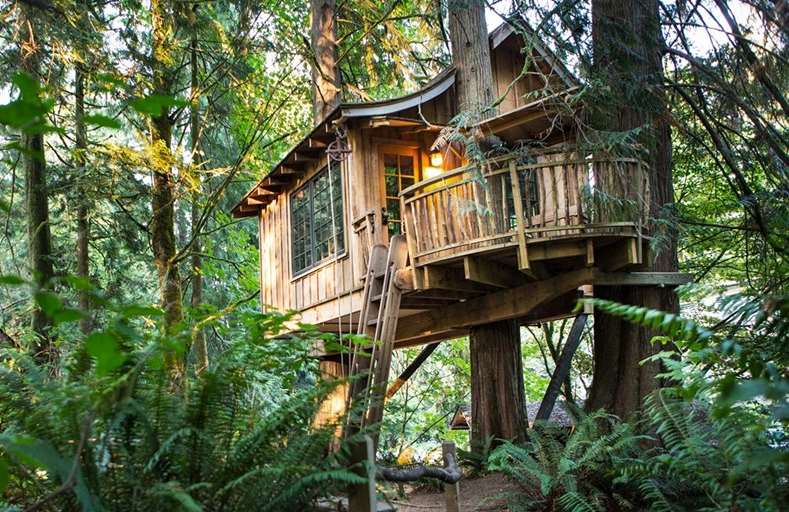
Building a tree house is a great way of maximising space in your backyard. It can also improve the appeal and value of your property over time.
Additionally, a tree house can be very beneficial to children as this can increase their level of outdoor activity, enable them to work as a team and connect with nature. The tree supports the weight of the structure and people using the tree house – their safety depends on the tree that you choose.
If you want to avoid any accidents from occurring, ensure that this structure will last long and enjoy a lot of benefits. Take time to choose the tree for your new tree house. Here’s how you can do it:
Make sure to pick healthy trees
Any tree that shows signs of either decay or disease should be crossed off your list. An unhealthy tree might require further investigation before, during and after the tree house is built, which can cause delay and additional costs. Unhealthy trees also have limited energy to support the structure.
This means that if the tree is struggling already, the stress of the tree house construction might tip the scales and decrease the longevity of the tree. The age and the environment where the tree is growing should also be considered during this process.
There are many ways to tell if a tree is unhealthy. Usually, you can assess the health of the tree based on the colour and amount of the leaves on the branches. If a tree has dying branches or no leaves at all, it’s an obvious sign that this tree is not suitable for your tree house.
Any insects living around or inside the tree are also an indication that the tree is already unhealthy. A tree that is a habitat to insects might mean that moisture has already seeped into the tree, and it's already lost its strength.
While there are many visible signs of unhealthy trees, others can only be distinguished by experts. If you want to pick the right tree for your tree house, consider hiring a professional arborist to distinguish the health of a tree and provide solutions whenever possible.
Consider the surroundings
You might not just get away with checking your chosen tree for decay if there are other trees nearby that are showing signs of decay. You will need to consider getting these removed. You don't want any nearby trees or branches that may damage the construction.
Again, it is best to consult a professional arborist to do an assessment, so you don't remove a branch unnecessarily that results in the tree dying off later.
Choose a tree with the right height
How high the tree house is located can affect the overall experience of the people who will use it. Having a high tree house provides a more amazing view and a greater sense of freedom. However, a high tree house can also pose safety risks, especially if you have children.
When choosing the height of the tree for your tree house, carefully weigh its pros and cons. Don’t forget to consider the safety risks involved.
If you’re building a tree house solely for your children’s use, choose a tree where you can build the house no more than 3 meters high. This can reduce the dangers of falling.
Opt to use hardwood trees
Bolts and tabs are used so a tree house will not bend or break over time. When you use high loads of bolts and tabs for your tree house, the tree can lose its strength and might become weak as years pass by.
Assessing the health of the tree once the structure has been attached can be tricky. The tree house might look perfectly still, while the tree is already damaged on the inside. Thus, you must opt to use hardwood trees such as cherry, hickory, oak and walnut for your tree house.
Hardwood stress can provide better support compared to other types of trees.

Think twice about using your favourite tree
When you have a backyard that’s full of trees, it’s typical to have a favourite from the bunch. And while building your tree house in your favourite tree might seem like an obvious choice, it doesn’t guarantee the best results.
The stress of the tree house construction and the environmental side effects might damage your favourite tree, regardless of how you try. If you have a favourite tree, choose to build the tree house in the next tree or the tree adjacent to it.
When your tree house is placed in either of these locations, you’ll have a perfect view of your favourite tree while ensuring that it can actually continue to grow in the years to come. You should also do the same if your favourite tree is a rare specimen in your locality.
Don’t forget about the environmental impact
Building a tree house will have several environmental impacts, the most common being foot traffic. Foot traffic can compact the soil and can reduce the nutrients and minerals intended for the plants.
Foot traffic should be confined to limited areas around the tree. Barriers and wood chips should also be spread around these paths so children and guests can be guided on where they should go.
Before letting anyone use the tree house, remind them not to peel the bark, carve their initials or smack the tree with sticks or any sharp objects. They should know that the tree is the host of the structure, and doing any activities that cause harm is disrespectful.
Aside from being another playground, the tree house should teach your children and guests the importance of trees and how to properly take care of it. The tree house should become an avenue for them to learn the significance of trees, what it does for the environment, and how it helps people.
The process of building a tree house shouldn’t start in thinking or creating a tree house design; it should begin by choosing the right tree for the tree house. You should take time to go through your options and assess all of these carefully so you’ll be able to choose the best tree for your tree house.