
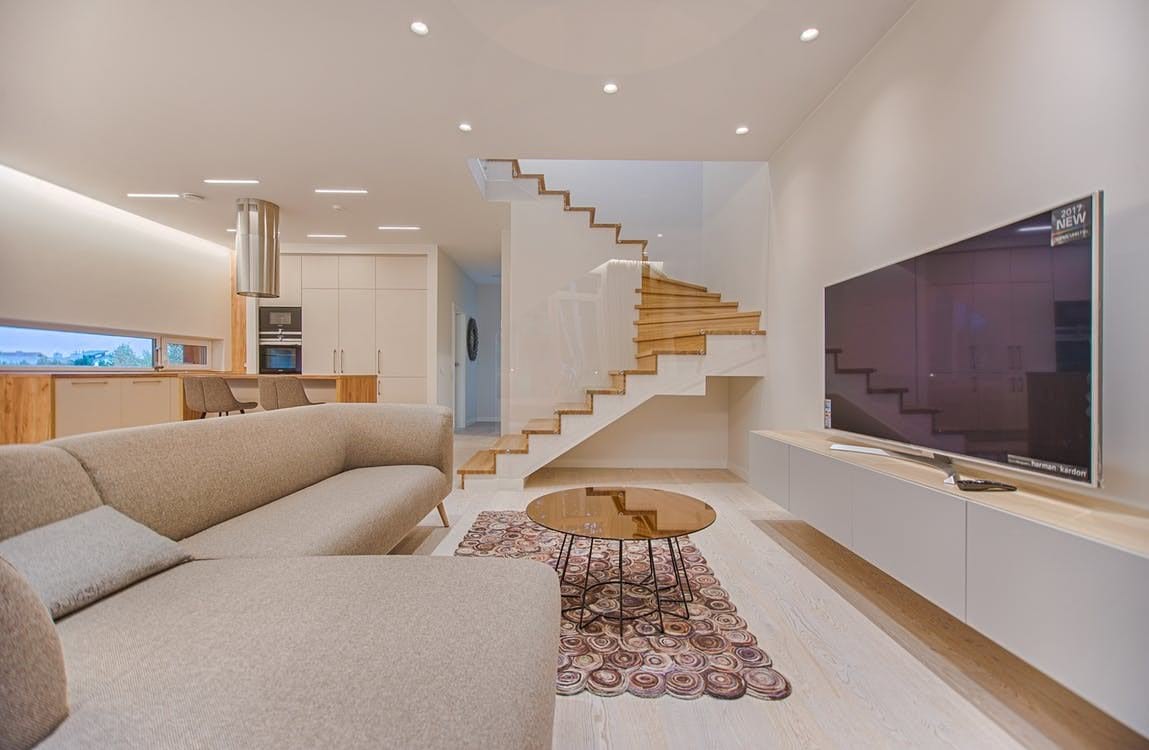
Designing a house interior can quickly become frustrating if you start without a clear plan. Taking the time to plan and do proper research makes the entire process smoother and far less overwhelming.
Privacy should be one of your top considerations when planning an interior. Everyone in the household needs personal space, whether it’s children, parents, or shared family areas that still feel comfortable and functional.
For many people, interior design is an exciting and creative experience, but it’s not always easy. Choosing the right items, combining colours and furniture, and making everything work together takes more effort than expected. Every space should be thoughtfully arranged so that each corner of the home reflects the owner’s style and lifestyle.
When you design or redesign your home interior, you become the artist. It’s your chance to express creativity and bring your vision to life. To make the most of that creativity, it’s important to keep a few essential factors in mind before you begin.
1. Know Your Budget
Having a rough idea or estimate of your budget can be helpful for you to continue with your plan accordingly. If you run out of money while you are in the middle of designing your house, you will never be able to finish things the way you wanted them to.
To get an estimate, consult expert architects and interior designers, and do window shopping and online research to gather information about the monetary value of the appliances and furniture you would like to have in your house.
To design a house interior, you need to do perfect planning first. You can go through several designs, pictures, samples, cloth swatches, furniture stores, and wall colours to know the things that you are capable of compensating.
You should know what your interior includes; the house’s internal doors, walls, lights, colours, and textures are the focal points of your home. Once you have a budget, it will be easier for you to settle things and keep down the costs of your other needs so you can save up some money for something that truly counts and would look good in the house.
2. Consider the Architecture
You may be lucky enough to be designing a whole new house, including the exterior. In that case, you should hire an architect or a company that specialises in building new homes.
You should, of course, consider the plot of land you have and also design your home facing the right direction. People mostly don’t plan or know about the importance of the house direction. They simply start living in the house and then suffer from cold freezing winds in winters and the scorching beam of sunlight in summers.
If you are renovating an existing house with a new interior, you may only need an interior designer; if you want to knock down walls, you will need to check the original house plans and if not an architect, then instead a qualified builder to assist you.
3. Leave Some Free Space
Open spaces can make a house or a room look more significant and luxurious. The aim of maintaining a place more extensive than usual is not so you can add up a load of furniture, but to deliver a peaceful environment and to create less mess. Overloading your space can bring you some restless trouble. The more decoration pieces you own, the more you have to keep them spotless.
Likewise, too many things in your room can show signs of suffocation and make your room look smaller. To make your room look bigger and more elegant, avoid pushing furniture against the wall. By giving extra distance, you will get some free space for your other activities, such as walking or perhaps showing off some dance moves.
4. Make it Family-Friendly
A home should reflect its living family’s personalities and tastes. While planning a house, do remember that you have a family with you. And you don’t need a place with expensive accessories with a family. Design a home where you can build a space for your children to play and have fun.
You can construct a playground right outside the kitchen window from where you can keep an eye on them while they play. With little kids, don’t plan to have stairs without any protection. But do expect to have connected rooms. It will help you stay closer to them by not feeling like you are invading their privacy or anything.
5. Involve an Expert
You may have the perfect design planned for your house, but there are always possibilities that you may get stuck at some stage. There must be hundreds of things included in your plan that you can’t do. It is still better to have a safe side, so do involve an expert interior designer. They will guide you throughout your way, and you may get better results than you expected.
6. Plan for Furniture
Purchase your house furniture that fits in your place like a piece of the puzzle. It doesn’t have to be big or fancy to give a luxurious impression. Search for furniture that suits the size of your room and can be added to different spaces, too. Consult an interior designer to get help buying the furniture that works with your home.
7. The Room’s Purpose
Every room needs a separate purpose to crush in.
You have to decide the use of the room before setting up the interior. The room can be your dining room, bedroom, living room, or it can be your children’s playroom. Keep in mind what you are willing to serve in a specific place and bring in the furniture accordingly.
Fit your bedroom with comfortable and relaxing furniture, and for your living room, you can put in your favourite bean bag chairs and a TV set. The living room is the perfect place to be as creative as you want to be.
Conclusion
Designing a house interior can be fun, but with a few difficulties. Luckily, if you have enough experience and knowledge, you can plan and create the house interior on your own and save yourself a lot of money.











)
