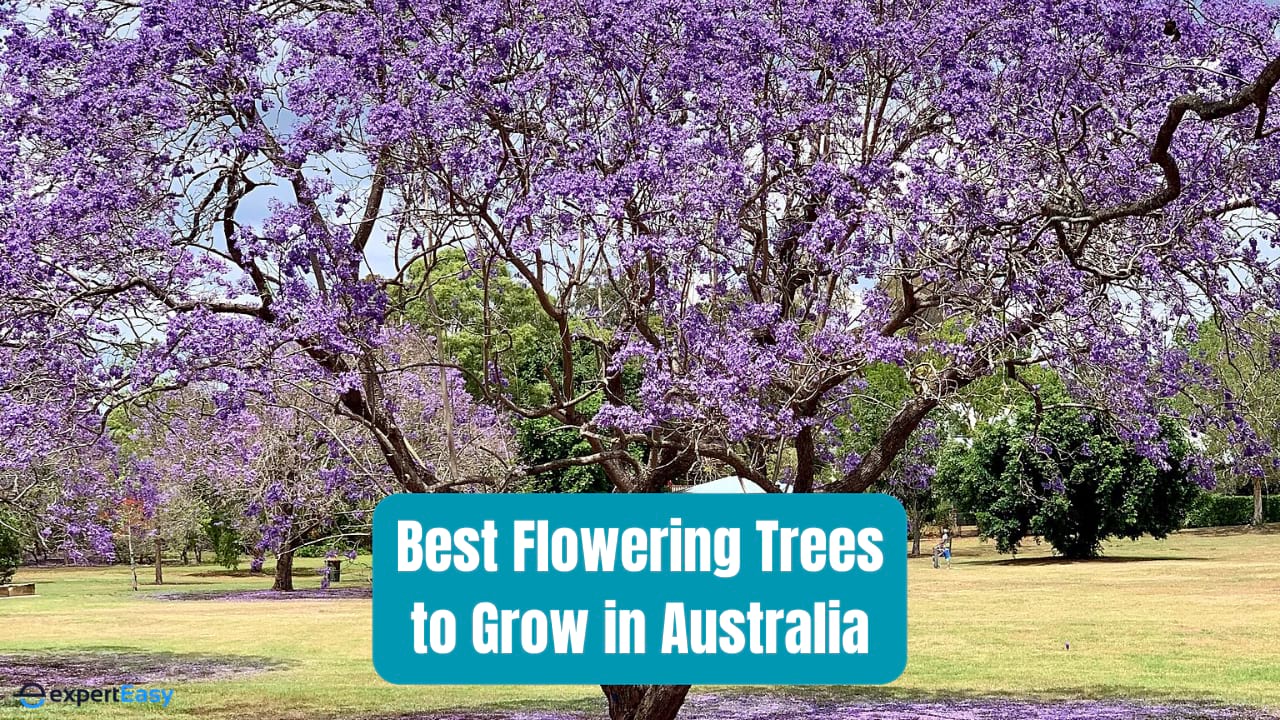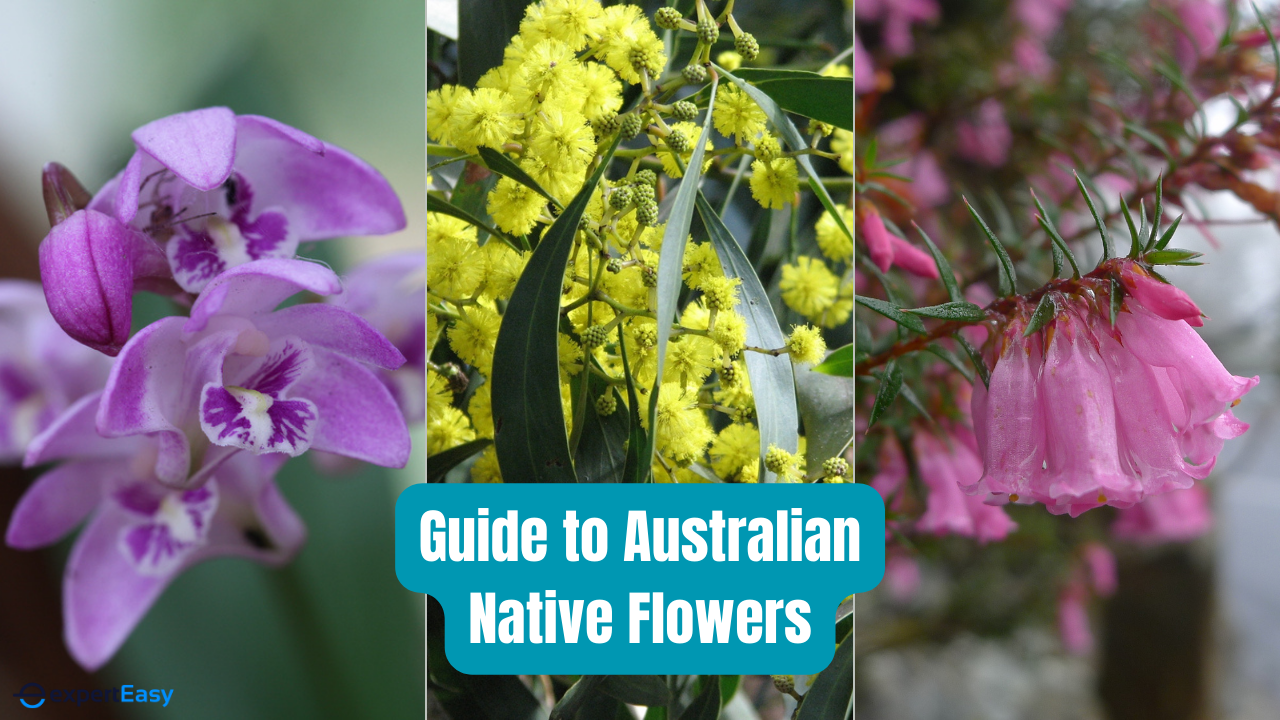
Australia is home to mixed landscapes that are undeniably beautiful and filled with some of the most diverse greenery that ranges from tropical to winter-hardy vegetation.
These native flowers add a splash of colour to your garden, serve as ground cover, attract a variety of pollinators, and beautify your space. Let’s discover some of Australia’s most prized native flowers.
Australian Native Flowers: At a Glance
Here are some of the most common and vibrant flowers native to Australia:
- Grevillea
- Chorizmea
- Eucalyptus
- Pink Rock Lily
- Monkeyflowers
- Kangaroo Paws
- Wattle
- Common Heath
- Waratah
- Spider Orchid
- Flannel Flower
We discuss each of them in depth below to help you get a sense of the plant type and how they may suit your gardening needs.
1. Grevillea
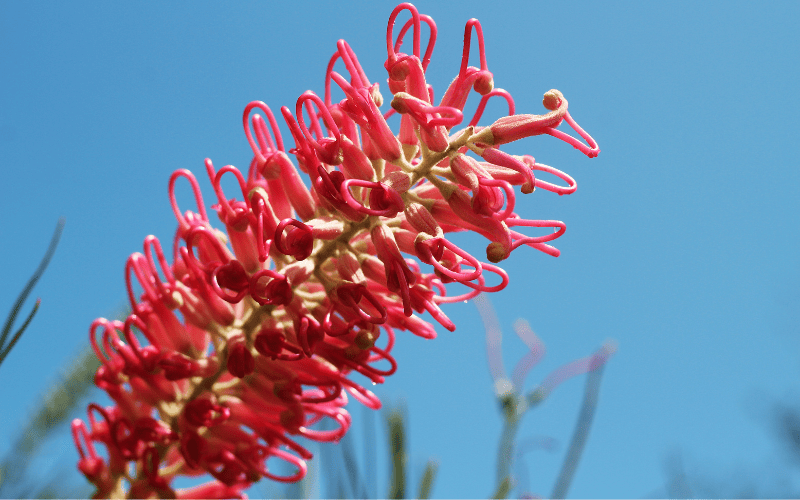
Grevillea (Spider flower) is a native flowering shrub that grows throughout the country and is known for having some of the most attractive and eye-catching blooms. Plus, they naturally attract helpful pollinators and birds, making them an excellent addition to any green space.
Their flowers showcase a tapestry of colours, shapes, and sizes; from vibrant pinks and snow whites to fiery oranges and passionate reds. They also make for hardy plants, making them an ideal choice for the everyday gardener wanting to grow some colourful foliage in their space. The flowers themselves tend to have an intricate shape, with bright stamens that grow in an outward direction.
Grevilleas can be used as ground cover, shrubs, or even trees. The flower is well-suited for arid regions and can tolerate drought. However, with around 360 species, care requirements can vary. As a budding horticulturist, it's prudent to research your specific variant.
2. Chorizema
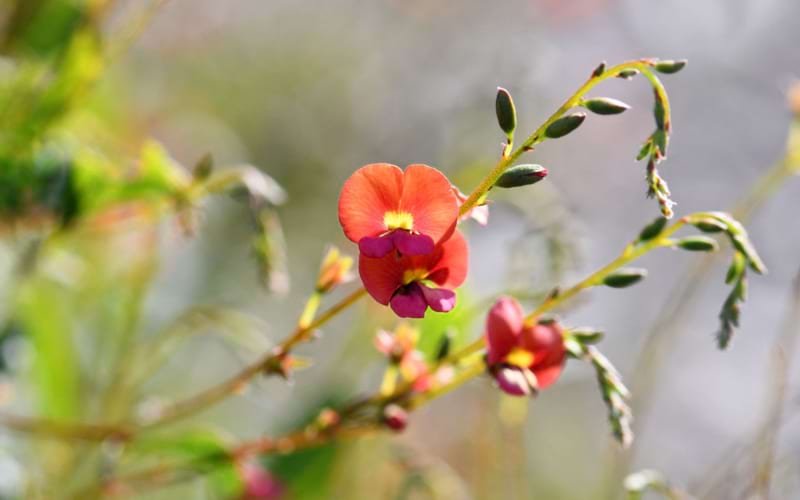
Chorizema, also widely seen across the country, offers vibrant and flamboyant flowers. They adorn their shrubs with clusters of tubular flowers bearing hues of gleaming orange, radiant pink, and occasionally a unique yellow-pink.
Chorizema flowers grow in small to medium-sized shrubs, depending on the species. They're perfect for adding privacy or for creating a floral hedge bursting with colours. Native to the western part of Australia, Chorizemas are accustomed to gravelly, sandy soils.
These blooming plants are some of the best to grow, thanks to their beautiful foliage and easy-to-cultivate habits. You will also be happy to know that these flowers also attract nectar-loving wildlife like bees, butterflies, and birds - transforming your garden into a lively and chirping place.
However, it's best to grow them in full sun with partial shade and ensure proper drainage as they are susceptible to waterlogging.
3. Eucalyptus
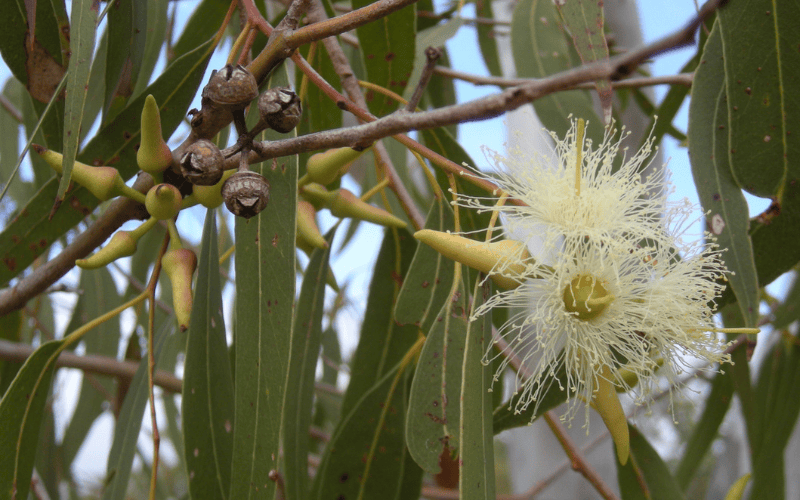
The koala's favourite diet, eucalyptus plants (Eucalyptus cinerea), is perhaps a variety you're most familiar with. In its native Australian setting, this evergreen tree has a potential height of around 90 m.
However, in household gardens, it maintains a manageable size. The smaller branches have reddish-brown bark that peels away to reveal a fresh layer beneath. Crushing its silvery to blue-green leaves releases a distinctive menthol-like scent.
The ideal time to grow eucalyptus trees is in the spring. Start by picking a location with plenty of sun exposure and well-drained soil. A young eucalyptus plant should not have any surrounding trees or plants blocking its access to sunlight.
Also, making sure there is enough room to allow the tree's full spread and height is crucial. Because of their potentially enormous size, eucalyptus trees should be planted at least two metres apart if you wish to grow several of them in your garden or farm.
4. Pink Rock Lilly
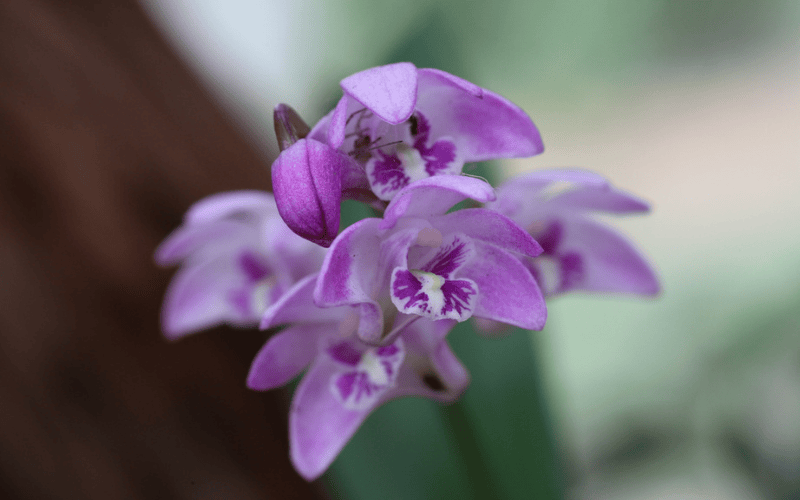
The pink rock lily (Dendrobium kingianum) is most famous for its calming appearance and is often found in spaces like spas. As a member of the orchid family, the rock lilies are known to grow within stone crevices or atop tree branches, making them an excellent option for desert-themed landscapes as well.
With blossoms varying from pristine white to pink and deep purple, the pink rock lily is an iconic and highly sought-after native flower in Australia and internationally. Their purple appearance and unique waxy texture also make them a standout choice for those seeking to really liven up their lawns.
The pink rock lily can be mounted on bark or other suitable structures or even cultivated in containers. Given their native habitat, these orchids do well in a mixture of organic materials and coarse material, such as bark or stone, which promotes proper drainage and mimics their natural environment.
They also need to be watered thoroughly but given time to dry out between watering sessions. And regarding light, they appreciate a brightly lit location but not direct sunlight.
5. Monkeyflowers
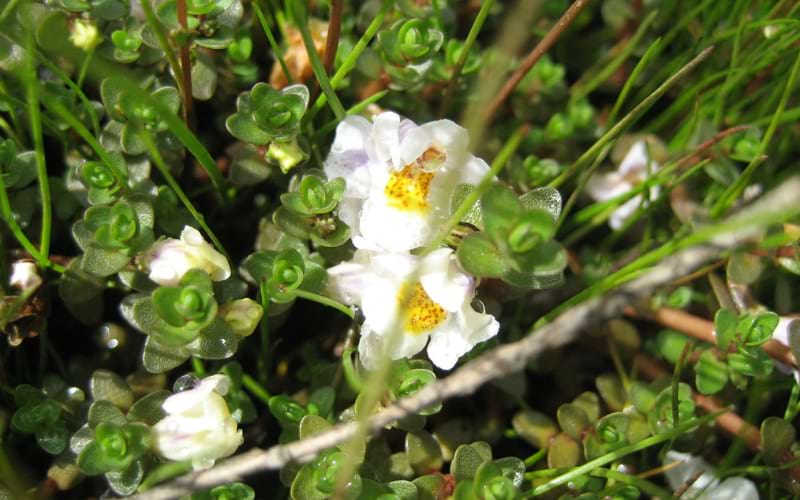
A genus of flowering perennials called monkeyflowers (Mimulus repens) is well-known for its colourful blooms and capacity to draw pollinators. They offer food and habitat to a variety of creatures, contributing to biodiversity. Their name, "monkey flowers", owes to the uncanny resemblance their blooms bear to monkey faces.
Interestingly, out of the 100 or so species that were initially classified under the genus Mimulus, only seven remain today, with the rest primarily reclassified under Erythranthe and Diplacus. These species are indigenous to a vast majority of regions spanning Australia, North America, Asia, and Africa.
With their versatility and easy maintenance, monkeyflowers are an excellent choice for both beginner and seasoned gardeners. Initial care is simple; these plants are relatively adaptable and can be cultivated in diverse environments, from sandy soils under the full sun to more shaded areas with moist conditions.
Regular watering, preferably in the morning, is ideal for keeping the plant hydrated without becoming waterlogged. And a handful of well-rotted compost added to the soil at planting time provides the needed nutrients for their growth.
6. Kangaroo Paws
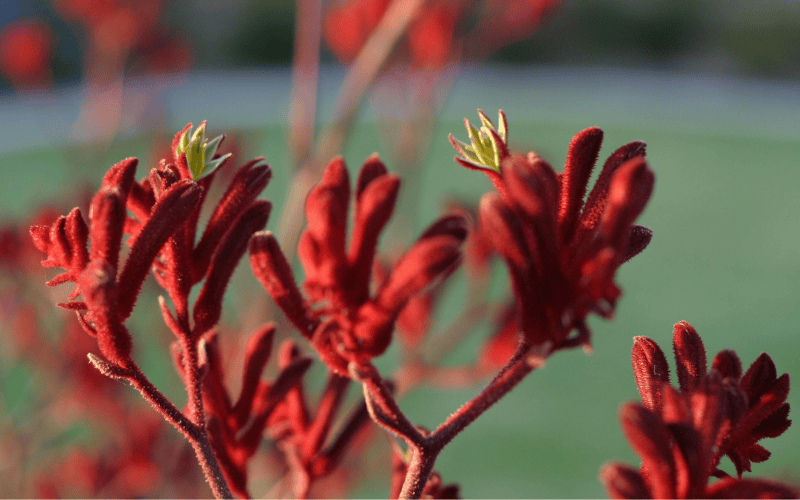
Another peculiar genus of flowering plants hailing from Australia, Anigozanthos, includes 11 species and numerous subspecies. These plants have foliage that is long, thin, and arched, resembling that of daylilies or amaryllis plants. The odd tubular flowers have a paw-like shape and are covered in velvety fuzz, allowing them to grow on stalks in rows that resemble fans. Numerous colours, including red, orange, yellow, and purple, are among the tints of these flowers.
Kangaroo paws can adapt both to ground and container cultivation, with dwarf varieties ideally suited for the latter. These plants favour growing in full sunlight. You can achieve some of the best blossoms when they receive at least six hours of direct sunlight on most days. Despite their ability to endure mild drought, kangaroo paw plants appreciate a good level of soil moisture. Combining a well-draining soil mix with regular hydration will help circumvent issues like root rot.
Before planting, enrich the soil with organic matter such as compost or aged manure. Planting should be done in early spring to allow the plants to establish before the summer heat.
7. Wattle
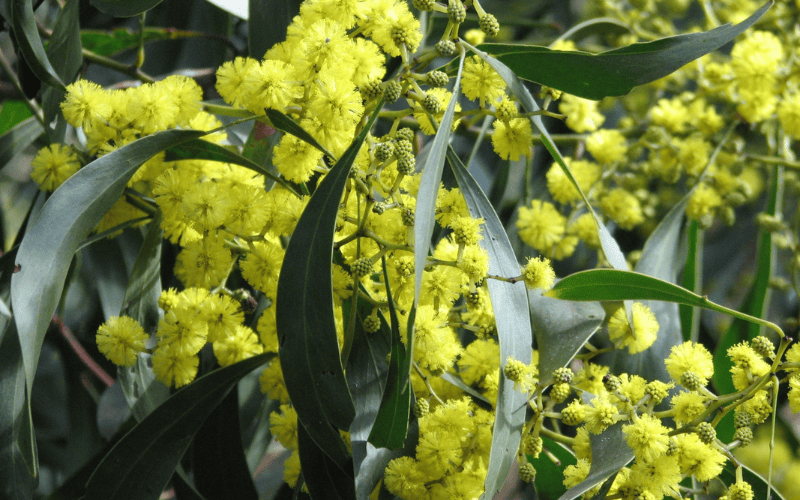
Wattles (Acacia pycnantha), with their brilliant yellow blooms, are perhaps the most vibrant native Australian flowers. The flowering tree blooms in late winter and early spring with masses of golden yellow pompom-like blossoms that are fragrant and vividly coloured.
The Golden Wattle variety, which is acknowledged as Australia's national flower, is intricately entwined with its past and present. Indigenous Australians used several portions of the wattle shrub for survival in earlier times. The bloom of the wattle flower signalled the arrival of eels in rivers and whales along the coast.
Wattles should be grown in areas with full sun or partial shade. As long as the soil has good drainage levels, these plants will thrive in most soil types. If your soil is largely clay-based, consider elevating the garden bed and adding gypsum to improve drainage. They can also be planted at any time of the year in temperate locations. However, in areas with prolonged hot, dry summers, planting should be done in autumn or winter, allowing plants enough time to establish themselves before the heat of summer.
While they can be cultivated in pots, prostrate wattles and small-growing species (such as Acacia cognata) must always be planted in a particular native potting mixture. For the successful cultivation of wattles, attention to detail during planting is vital. Dig a hole twice the size of the root ball, set the plant in, and then backfill the hole with soil, pressing down gently to ensure the plant is firmly set.
8. Common Heath
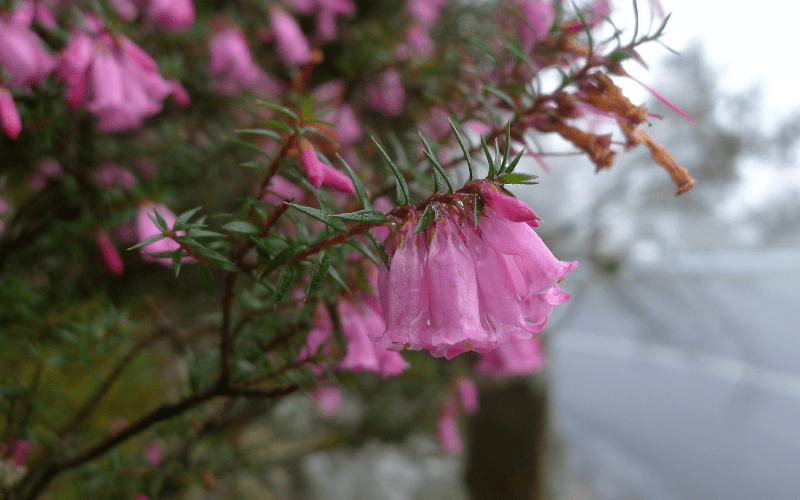
The Common Heath (Epacris impressa), with its vibrant bell-shaped blooms and easy-care requirements. This hardy shrub offers a reliable and colourful display from autumn to spring, ensuring a garden filled with lively colours and a natural attraction for local birds. It is often seen naturally in open forests, alpine regions, and heathlands in the southeastern states of Australia, including Tasmania.
In winter, flowers are at their peak, brightening the garden and attracting birds that devour honey. They come in various colours, from deep pink to red and white, and are excellent for floral design. The plant thrives in full sun to partial shade and requires moist, well-drained, slightly acidic soil. To cultivate, select a location that provides an ideal blend of sun and shade. Then get your soil tested to ensure it has the correct pH. For potting, select a high-quality mix that offers good drainage.
Caring for the Common Heath is more about maintaining the right conditions than high-intensity labour. Regular watering during the growing period will help your shrub flourish, but be mindful not to overwater, as this could lead to root rot. Occasional pruning, particularly after the flowering period, can keep your shrub in optimal shape and promote more vigorous growth in the subsequent season.
9. Waratah
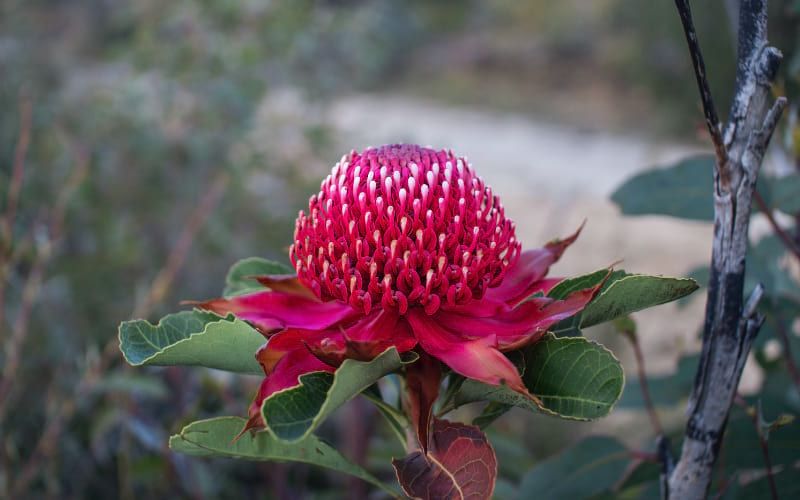
Waratah (Telopea speciosissima), with its flamboyant blooms and tolerance to varying conditions, is a charming addition to any garden landscape. Though they may seem a tad demanding initially, the ongoing maintenance is reasonably manageable, making them a delightful endeavour for hobbyists and seasoned gardeners alike.
A critical factor in their successful cultivation is the location. These floral wonders require several hours of direct sunlight (about six to seven hours) coupled with a bit of partial shade to yield flowers. As for soil needs, they prefer a mix of slightly acidic to neutral soils, which are nutrient-dense and well-draining. Soils that hold excess water can quickly cause root rot, so avoiding heavy clay soils is helpful here.
As with most plants, once your waratah begins to establish, you can lay off the excessive care needs. Prune them to maintain their shape and encourage bushier growth. Look out for dead or damaged leaves when pruning to improve their look and reduce the chances of spreading disease.
Similarly, carefully monitor for signs of pests or diseases. Regular inspection of the leaves, stems, and flowers can help spot early signs of trouble, allowing you to intervene quickly. As a part of routine maintenance, consider feeding the plants with a slow-release fertiliser in the spring to bolster their nutrient supply and promote healthy growth.
10. Spider Orchid
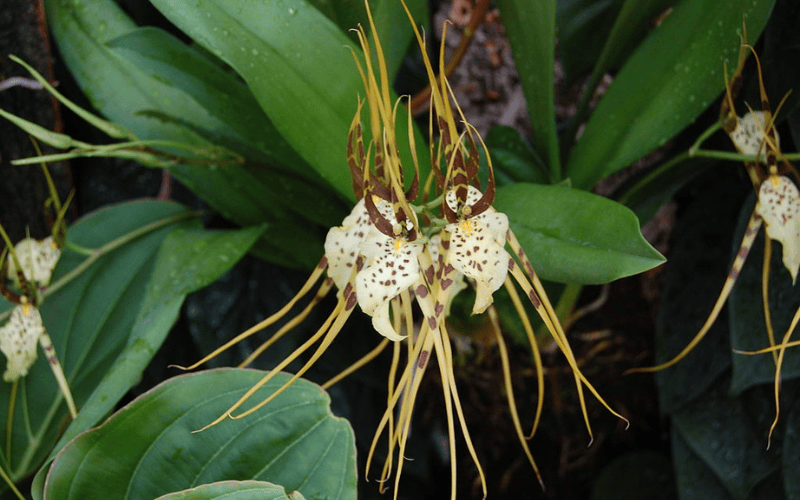
The intriguing "Spider Orchid" (Brassia caudata), found within the Eastern hemisphere's Brassia genus, is named aptly for its sepals, long and peculiar in form, spreading out akin to a spider's legs. These orchids thrive best in environments with high humidity and temperature levels in their natural habitats. In addition to their tendency to spread, spider orchid plants also come in a variety of bright colours, including bright orange, red, and many others.
If you intend to cultivate these orchids outside their native tropics, it is necessary to recreate their native environment. They will only grow to their full potential if you provide them with a lot of moisture daily and keep them in a warm, shaded location. For successful cultivation, a meticulous watering schedule is critical, as overwatering can easily lead to root rot. In addition, these orchids appreciate high humidity; therefore, consider placing a humidifier nearby or misting them lightly from time to time.
Fertilising Spider Orchids is another essential aspect of their care regimen. Using a balanced orchid fertiliser, feed them every two weeks during the growing season, reducing this to once a month during winter. Repotting every two to three years using a well-draining orchid potting mix can also keep your plants healthy.
11. Flannel Flower
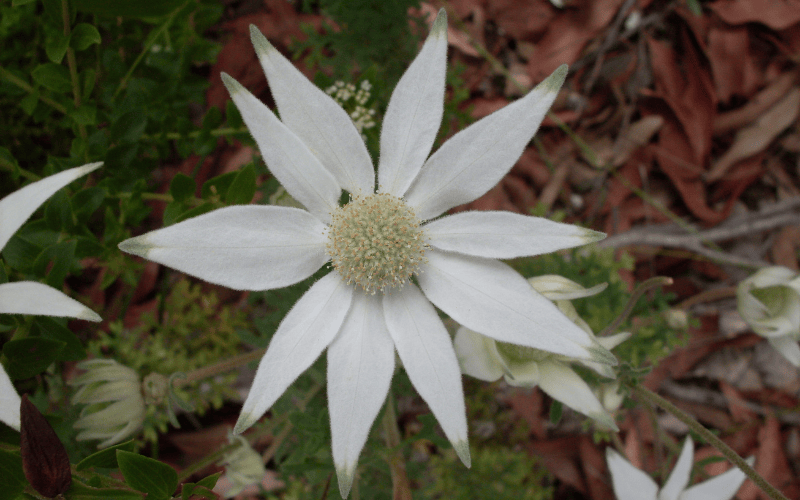
The flannel flower (Actinotus helianthi) is a delicate and beautiful native flower that is native to the east coast of Australia. It has soft, white petals and a yellow centre. Indigenous Australians used flannel flowers to treat a range of diseases due to their therapeutic characteristics. Making tea from the blossoms offers relaxing effects and encourages relaxation. The flower is a true champion of resilience, possessing the ability to thrive under the intense Australian sun while flaunting its striking white blooms. Still, regular watering during its initial growth phase is crucial to help it establish.
Once it's well-rooted, the flower is able to tolerate dry spells, further simplifying its care. Pruning dead or damaged branches is also essential to promote strong growth and abundant blooming. And while its natural habitat is in the wild heathlands and dunes, the Flannel Flower takes to pot cultivation rather well. But if you're going to do that, be sure to use well-draining soil to prevent waterlogging. A sunny spot in the garden, receiving a few hours of direct sunlight each day, would also be ideal for the plant.
The Flannel Flower is an embodiment of the Australian spirit – tough, beautiful, and vibrant. Once you've got the hang of its care routine, you'll find that its minimal needs are far outweighed by the joy it brings to any garden, making it a perfect addition to your collection of native Australian blooms.
Understanding the Care Needs of Australian Native Flowers
Many native plants thrive in specific environments, so factors such as sunlight, soil type, moisture levels, and fertilisation should always be considered. Most varieties prefer well-drained soils, so heavy clay soils are generally unsuitable unless a particular species specifically tolerates them.
Native flowers also play an important role in supporting local wildlife. When planning your garden, consider planting species that produce pollen or nectar to attract pollinators such as bees, birds, and butterflies. It is equally important to select plants suited to your region and confirm their suitability with local gardening centres before planting.
Before growing any native flower, take time to research the species and related plants within the same family, as they often share similar care requirements. Reliable information can be found through local plant databases, gardening forums, and botanical resources.
Local expertise can also be invaluable. Consulting gardening specialists or native plant organisations can help you better understand the needs of your chosen plants and improve your chances of successful growth.
Problems to Look Out for and Their Solutions
Growing any plant from scratch always has its ups and downs, and it's pretty much the same for these native Australian flowers. Common issues include pests, disease spread, and discoloured leaves. Here's how to tackle these issues:
- Pests: Pest infestations are most common in the form of aphids, slugs, and caterpillars. You can manage these pests by growing companion plants that naturally deter them or attract beneficial insects that prey on them. Natural pesticides can also be a safe and effective solution.
- Disease spread: Native Australian flowers are prone to a number of bacterial and fungal illnesses, including powdery mildew and root rot. Make sure your flowers are planted in well-drained soil and that they are correctly spaced to allow for adequate air circulation. Regular pruning can help catch diseases early and limit their spread.
- Deficiencies in nutrients: Lack of iron or magnesium also occasionally affects native Australian flowers. Applying a balanced fertiliser or a specialised fertiliser to target a particular nutritional deficit will remedy the deficiency.
- Overcrowding: Overcrowding can cause poor development and blossoming. To prevent this, ensure your plants have adequate space and regularly remove any dead or broken branches.
Early detection and swift action are key to preventing or completely resolving these problems.
Frequently Asked Questions (FAQs)
Here are some frequently asked questions regarding the cultivation, care, and maintenance of Australia's native flowers.
What are some common Australian native flowers I can plant in my garden?
There is a wide variety of Australian native flowers to choose from when designing your garden. Popular options include the Waratah, known for its striking crimson blooms; the Kangaroo Paw, recognised for its distinctive paw-shaped flowers; the Bottlebrush, named after its bright, brush-like blooms; Wattle, Australia’s national flower with fluffy yellow clusters; and Sturt’s Desert Pea, a striking desert plant with vivid red flowers.
When is the best time to plant native Australian flowers?
The best time to plant Australian native flowers is usually during the cooler months of autumn or early winter. Planting at this time allows roots to establish before the heat and dryness of summer arrive.
However, ideal planting times can vary depending on the species and local climate, so it is always advisable to check the specific requirements of the plant you intend to grow.
 Laura
Laura
Conclusion
Step outside into a garden filled with the colours and scents of Australian native flowers, alive with visiting birds, bees, and butterflies. With the right choices, this can become a peaceful part of your daily routine; a small moment of calm in the middle of a busy day.
Growing native plants simply requires understanding their needs and giving them the right conditions to thrive. With a bit of research and consistent care, your garden can quickly grow into a healthy, vibrant space that supports both plants and local wildlife.
Now the question is simple: which Australian native flower will you plant first? Your choice could be the start of a greener, more rewarding garden.