

Working from home can be convenient, but it also comes with challenges. Distractions, poor boundaries, and the overlap between work and personal life can make it harder to stay focused and productive.
The good news is that with the right habits and setup, remote work can feel more structured, manageable, and enjoyable. This guide covers practical ways to make working from home more effective.
10 Ways to Work from Home Successfully
The right working system depends on how you work best, but a few practical changes can make remote work easier to manage. Here are some ways to create a better work-from-home setup.
1. Set up a Dedicated Office Space

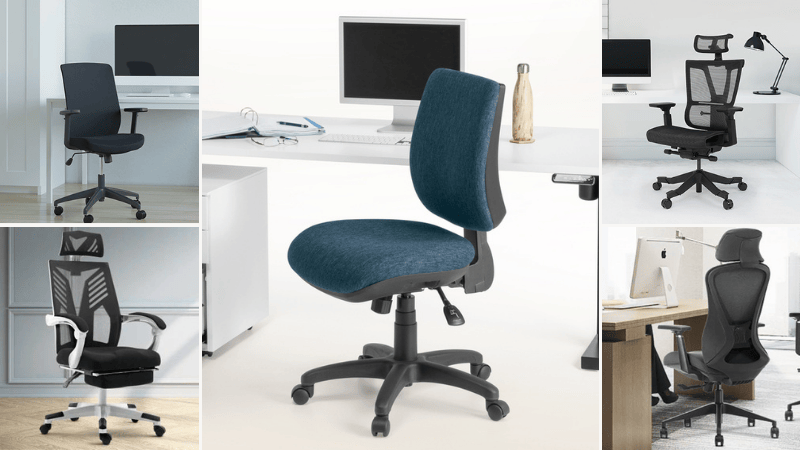
Carving out a space that fosters productivity, comfort, and a bit of joy is essential. It can be a game-changer in keeping those home distractions at bay. Start with a clean slate; find a quiet corner and spruce it up to make it work-ready. We also recommend investing in a top-notch standing desk and ergonomic office chair for your comfort and health.
Pay attention to the background as well; it should be neat and professional for those Zoom meetings — no room for unsightly laundry piles or unmade beds. Remember to get the lighting just right, preferably having the main source of light in front of you to avoid odd shadows and contrasts during virtual meet-ups.
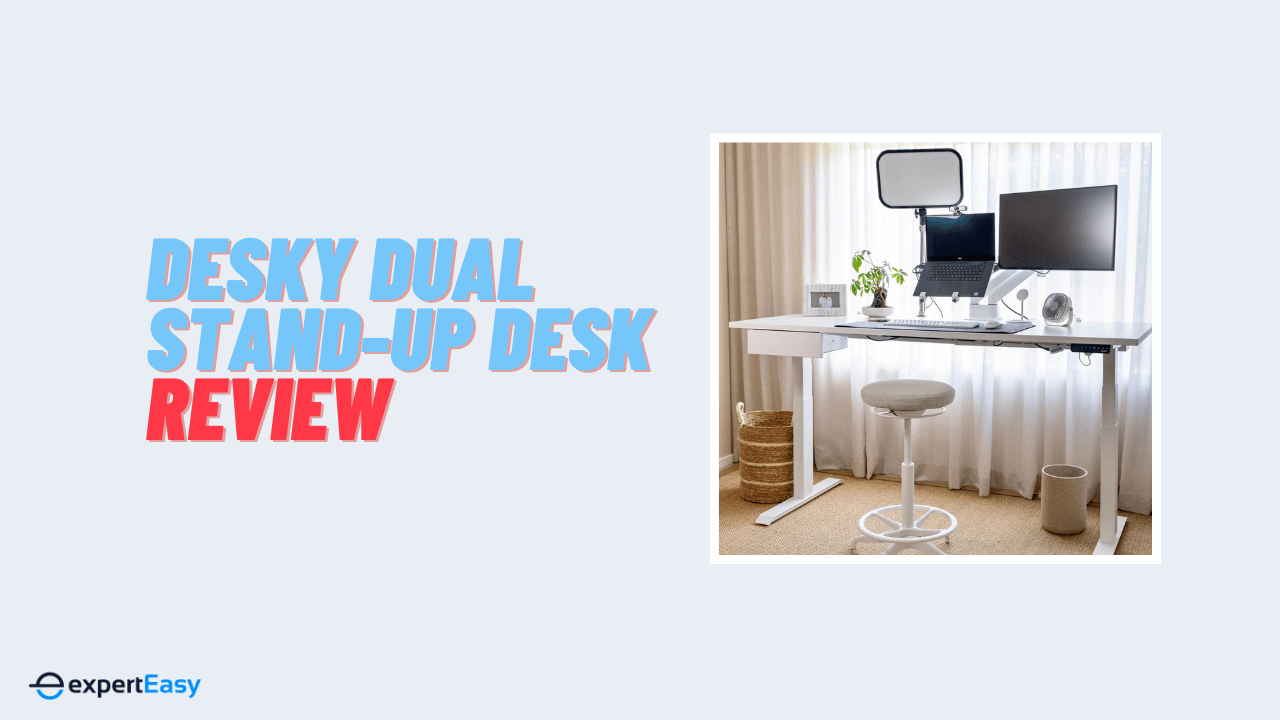
💼 Desk Decisions: While setting up your home office, consider investing in one of the best standing desks you can buy, ensuring a balance between comfort and productivity.
💶 Budget Office Ideas: If you're new to working from home and can't afford to splash out on a premium workspace, our guide on budget home office ideas can get you started for as little as A$146.
2. Create a Set Schedule or Have a Structure
Setting a concrete daily schedule not only instils a sense of discipline but also helps in demarcating your work hours clearly. Share your working hours with your colleagues to streamline collaborations and meetings effectively.
Similarly, structuring your day with a well-thought-out plan can be a boon to your productivity; use task lists and time management tools such as ClickUp or DeskTime to keep track of your daily chores and professional commitments. This approach ensures that you remain focused, managing your hours wisely without dwelling too much on a single task.
3. Set Clear Expectations to Forge a Smooth Path

The importance of understanding and meeting work expectations cannot be understated. Regular check-ins with your team or supervisor can help maintain clarity on your role and the projects at hand. Be it through online chat software, video calls, or emails, staying proactive in communications is key.
Feel free to seek feedback and be open to suggestions, as it not only enhances the quality of work but also fosters a collaborative and understanding work environment.
4. Dress the Part to Embrace the Work Mode
While the temptation to work in your comfy pyjamas is real, dressing professionally has its own set of perks. It psychologically prepares you for a productive workday ahead, besides ensuring you are always ready for an impromptu video call. So, chuck those PJs and embrace the work mode with a more professional attire.
5. Plan Regular Meet-Ups for a Personal Touch
Despite the technological advancements making virtual communications smoother, nothing beats the charm of face-to-face interactions. It builds trust, aids in clearer communication, and often leads to fruitful discussions.
Make an effort to meet your local teammates or boss in person occasionally, and do attend those company-organised retreats. Adding a personal touch to your remote working journey can not only boost morale but also break the monotony, adding a bit of zest to your work life.
6. Steering Clear of Home-Based Distractions

Being a remote worker does bring the temptation to multitask with home chores. While it seems harmless to toss in a load of laundry during a quick break, it’s a slippery slope to losing control over your work schedule as you become entrenched in endless household to-dos.
Engaging excessively in home chores can elongate your work hours and hinder your overall productivity. To salvage your precious work hours, you might consider getting your lunch delivered instead of spending an extended period rustling up something in the kitchen; it's all too easy for time to slip away when you're in the home environment.
While it’s not a suggestion to solely rely on food delivery, having lunch delivered can aid in maintaining nutritional balance during your bustling workday, reserving home-cooked breakfasts to fuel the start of your tasks.
7. Establishing a Robust Support Network
Research indicates that around 74 per cent of introverts favour working from home, given their comfort with solitude compared to extroverts. Despite this, it’s critical to establish a solid support network to ward off feelings of isolation and loneliness, which can creep in over time.
Remain connected to the broader world through virtual lunches, digital coffee breaks, and post-work Zoom catch-ups with friends and family. Regular breaks are also vital, be it a brisk walk outside or a lunch interval to recharge. If you find yourself continuously skipping breaks, set reminders to help cultivate a routine that includes heading to a local co-working space or café to mingle with others.
Integrating activities like virtual yoga sessions or regular exercise can counteract the sedentary lifestyle adopted while working from home, promoting focus and rejuvenation in your working routine.
8. Managing Social Media Distractions

Social media is a notorious distraction in the modern era, with studies showing that users spend slightly more than 3 hours on their phones on average every day. Worse still, about 1 in 5 users spend more than 4:30 hours on their phones checking their social media.
To fortify your work-from-home regimen against social media interruptions, enforce discipline in its usage. Consider putting your phone aside or disabling notifications during work hours to maintain focus on your tasks.
9. Make Your Family Members Understand
With the onset of the COVID-19 pandemic, working from home became the norm. Yet, some individuals, particularly from older generations, may not fully grasp the demands and nuances of remote working.
To foster a conducive work environment, initiate a discussion with your family to impart a deeper understanding of your work-from-home culture, establishing boundaries to sustain focus during work hours.
10. Uphold a Consistent Sleep Routine
Adequate sleep is instrumental in enhancing clear thinking and optimum performance in your work. Despite the freedom to modify your sleep schedule as a remote worker, adhering to a regular sleep pattern is pivotal.
Ensure to allocate a minimum of seven hours of quality sleep to maintain a vibrant and productive work rhythm, supporting your well-being and work efficacy in the long run.
Is Working From Home Worth It?
Working from home can be worth it, depending on your personal circumstances and work style. Here are some benefits and challenges to consider:
Benefits:
- Location Independence: You are no longer tied to the physical constraints of your office.
- Financial Savings: You can save on commuting expenses, a professional wardrobe, lunches bought out, and daycare programs for children.
- Increased Productivity: Some people find they're more productive when working from home.
- Time Savings: You can save time by eliminating the commute.
- Accommodate Special Needs: Working from home can be beneficial for people with special needs.
Challenges:
- Work-Life Separation: It can be challenging to separate your work and personal life.
- Social Isolation: Working from home can sometimes lead to feelings of isolation.
- Work Interruptions and Distractions: Home-based distractions can interrupt your work.
- Increased Home Office Costs: There may be increased costs associated with setting up a home office.
Whether working from home is worth it or not depends on how well you can manage these benefits and challenges. It's important to create a dedicated workspace, set boundaries, and maintain a healthy work-life balance.
Frequently Asked Questions (FAQs)
Here are some frequently asked questions about working from home.
Is it profitable to work from home?
Yes, working from home can be profitable for both employees and employers.
For employees, the savings can come from reduced commuting costs, fewer meals bought outside, lower clothing expenses, and, in some cases, less need for childcare support. Remote work can also improve productivity when people have the right setup and fewer workplace distractions.
For employers, the biggest savings usually come from lower office costs. Less office space means lower rent, utility bills, furniture costs, supplies, maintenance, and insurance.
The financial benefit depends on how remote work is managed. When expectations, communication, and productivity are clear, working from home can reduce costs on both sides.
What are some common mistakes to avoid when working from home?
When working from home, it is easy to make small mistakes that affect your focus, routine, and work-life balance. A home office will not automatically feel productive just because it is at home, so it helps to prepare your space properly. Choose a spot where you can sit comfortably, work with fewer distractions, and separate your job from the rest of your day.
Your routine matters. Starting the morning without structure can make it harder to get into work mode, so create a simple routine that helps you begin the day with intention. Set realistic goals, use a task list or productivity method if it helps, and stay connected with colleagues or mentors even when you are not in the office. Most importantly, set clear boundaries around your time so work does not quietly take over your personal life.
 Darren Sherwood
Summary
Working from home is now a normal part of life for many people, but it does not automatically make work easier. Without a clear routine, the day can quickly become messy, distracting, and hard to manage.
That is why the small things matter: knowing when to start, when to stop, where to work, and how to separate work from home life. Get those right, and remote work becomes easier to handle without taking over your whole day.











)
