
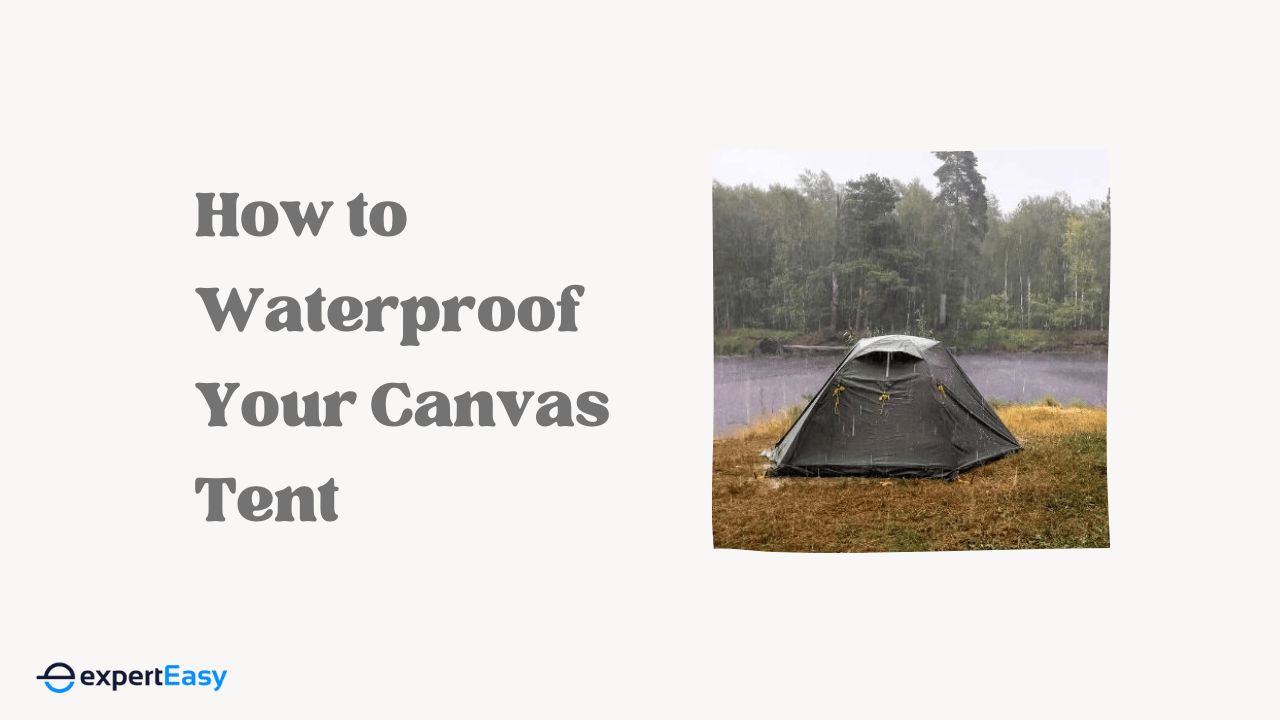
Canvas tents are durable, breathable, and built to withstand tough outdoor conditions. However, despite many models coming with a basic waterproof rating, they are not completely leak-proof straight out of the box. Without proper preparation, rainwater can seep through microscopic gaps in the woven fibres and cause moisture buildup inside your shelter.
To ensure your canvas tent remains dry and reliable, two key processes are essential: seasoning and waterproofing. While they serve related purposes, they are not the same. We'll go over both.
Understanding Seasoning
Canvas is made from tightly woven fibres. During manufacturing, small gaps form between these fibres. Although the weave is dense, water can still pass through these microscopic openings under sustained rainfall.
Seasoning is the process of intentionally soaking the tent so that the fibres absorb water and swell. And as they expand, they close those tiny gaps, reducing the likelihood of leaks. If you pitch a brand-new canvas tent in heavy rain without seasoning it first, water may seep through seams and fabric panels.
While natural rain exposure can eventually cause the fibres to expand, it may take multiple storms to achieve proper sealing. Seasoning accelerates this process and prepares the tent before real-world use.
How to Season a Canvas Tent?
Seasoning is straightforward but must be done carefully.
Step 1: Set up the tent
Pitch your tent on level ground and fully secure it using all poles, guy ropes, and stakes. Proper tension ensures even fibre expansion and prevents water pooling.
Step 2: Soak the tent
Use a standard garden hose and never a pressure washer, as high pressure can damage the fabric and compromise factory coatings.
Gently soak the entire exterior of the tent, paying close attention to seams and stitching. Initially, water will bead on the surface. Continue spraying until the fabric begins absorbing moisture and appears uniformly damp.
Step 3: Allow it to dry naturally
Let the tent dry completely while pitched. As it dries, the fibres will tighten.
Step 4: Repeat the process
For best results, repeat the soaking and drying process two to three times over several days. With each cycle, sealing improves, and leakage decreases.
After the final drying cycle, inspect the interior during a light water test to ensure no seepage remains.
What Waterproofing Does
In many cases, proper seasoning alone is sufficient to prevent leaks in newer tents. While seasoning relies on natural fibre expansion, waterproofing adds a protective barrier to the canvas.
Over time, exposure to sunlight, dirt, abrasion, and weather can weaken fibres and reopen microscopic gaps. Older tents are particularly vulnerable. Waterproofing products create an additional layer of protection that prevents water penetration even if the fibres shrink or thin.
Waterproofing is especially important if:
- Your tent is older
- You notice persistent leaks after seasoning
- The fabric appears worn or fade
- You camp frequently in heavy rain
Ideally, a new tent should be seasoned first before applying any waterproofing treatment.
How to Waterproof Your Canvas Tent?
If seasoning alone does not fully solve leakage issues, follow these steps for complete waterproofing.
Step 1: Choose the right product
There are two primary types of waterproofing sprays:
- Fluoropolymer-based sprays: Offer strong resistance to water, oil, and weather exposure. Generally, more durable.
- Silicone-based sprays: Effective and widely available, but may offer slightly less resistance than fluoropolymers.
In addition, purchase a seam sealer designed specifically for canvas to reinforce stitched areas.
Step 2: Set up the tent outdoors
Pitch the tent fully in a well-ventilated outdoor space. Choose a dry day with no rain in the forecast. Ensure the tent is fully tensioned to allow even spray coverage.
Step 3: Clean the canvas
Waterproofing must never be applied to a dirty tent.
- Remove loose dirt with a soft brush.
- Wash with mild soap or distilled white vinegar diluted in water.
- Avoid bleach or harsh chemicals, as they damage fibers.
- If mould or mildew is present, use a canvas-safe mildew remover.
Allow the tent to dry completely before proceeding.
 Mark Thompson
Step 4: Apply the waterproofing spray
Shake the spray thoroughly. Apply a light, even coat across the exterior canvas. Avoid oversaturation; a thin layer is sufficient. It's important to focus on areas prone to leakage, but for the best protection, treat the entire surface.
Next, apply seam sealer along stitching lines, particularly where walls meet the floor. For large tents, use a ladder to ensure even top coverage.
Step 5: Let it cure
Allow the tent to dry fully according to product instructions. Once dry, conduct a gentle water test using a hose. Inspect the interior carefully. And if minor seepage remains, apply a second light coat to affected areas.
For maximum protection, some products recommend applying a second coat approximately four hours after the first. It's important to never pack the tent away until it is completely dry.
Ongoing Maintenance Tips
Proper maintenance is just as important as waterproofing.
- Never store a wet tent: Packing a damp tent encourages mould growth and fabric deterioration. If you must pack it wet during travel, unpack and air-dry it within 24 hours.
- Store in a dry, elevated location: Keep your tent in a cool, dry place away from damp basements or flood-prone areas.
- Clean before storage: Remove grass, sand, and dirt before packing. Debris traps moisture and promotes mildew.
- Protect against rodents and pests: Store the tent in a sealed plastic container if possible. Rodents can chew through fabric during long storage periods.
Mark Thompson
Final Thoughts
Seasoning prepares the canvas by naturally sealing fibre gaps, while waterproofing adds a protective barrier for long-term durability. Together, they provide reliable protection against rain and moisture.
Although waterproofing treatments reduce the breathability of canvas, they significantly improve weather resistance and extend the life of the tent. Together with proper maintenance, your canvas tent can remain durable, dry, and dependable for many seasons of outdoor use.









)
