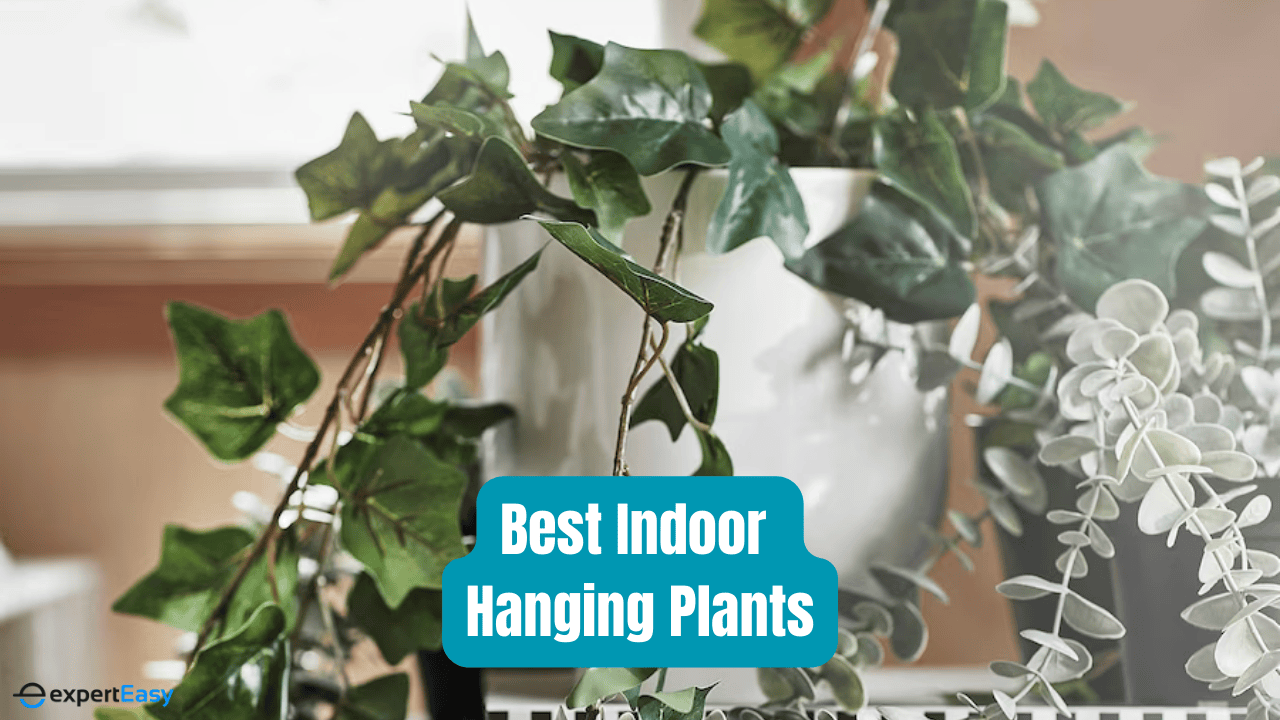
Indoor hanging plants have become a popular feature in modern home decor. They add greenery, soften interior spaces, and, in some cases, help improve indoor air quality. Well-chosen hanging plants can instantly enhance a room and create a calmer, more natural atmosphere.
In this guide, we highlight 10 of the best indoor hanging plants that grow well indoors and suit a variety of home environments.
1. Devil’s Ivy
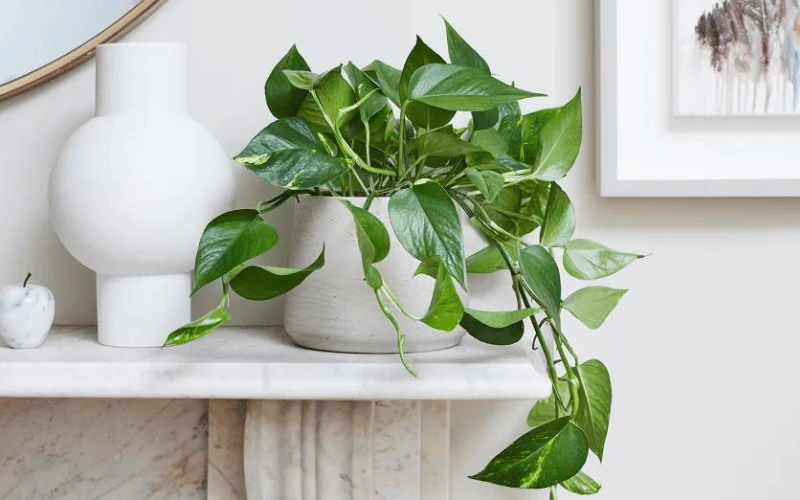
A real champion among indoor plants, Devil's Ivy (Epipremnum pinnatum cv)is a great choice, especially for beginners or those with a busy schedule. Its resilience in the face of inconsistent care is impressive, often bouncing back even after neglect.
With its lush green foliage speckled with gold, it effortlessly adds an element of visual interest to any space. Whether situated in a bright spot or a dim corner, its variegation will still shine through.
This versatile plant can both climb and trail, and it always seeks the light, giving you an engaging display as it grows.
2. Arrowhead Vine
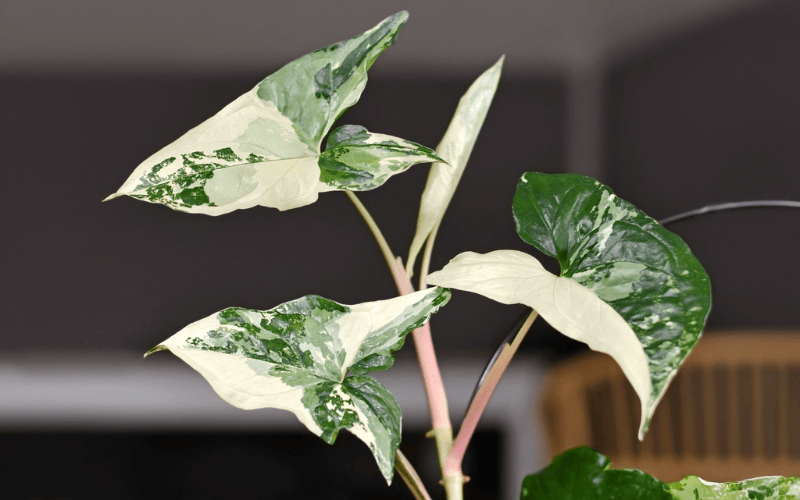
For a spectacular splash of colour in your home, look no further than the Arrowhead Vine (Syngonium podophyllum). This plant boasts eye-catching, often variegated, arrow-shaped leaves that can enliven any room.
It's an easy-care plant, provided your home isn't entirely devoid of humidity. The Arrowhead Vine doesn't demand copious amounts of light and is happy in a spot where the light is indirect and filtered.
It might remain compact initially, but it will eventually burst into a beautiful vine, perfect for hanging baskets or tall containers.
3. Spider Plant
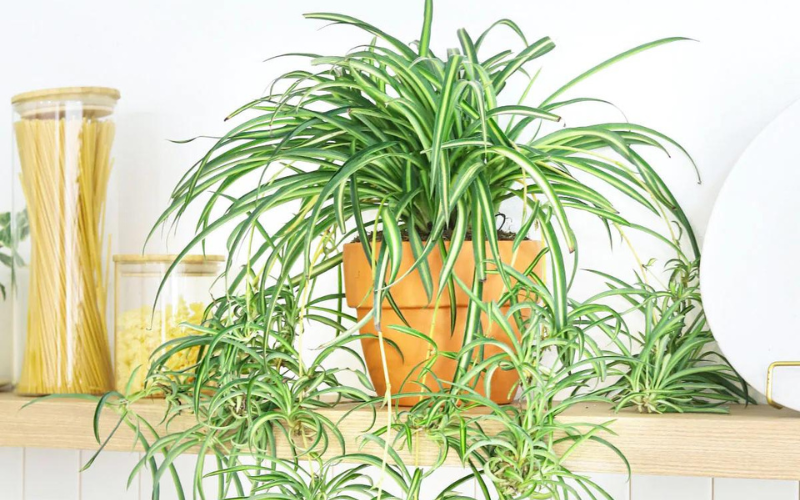
Bring the outdoors into your interior space with the spider plant (Chlorophytum comosum). Its long, arching tendrils resembling a spider's legs make it a distinctive addition to your indoor garden. This plant is incredibly adaptable and easy to care for, making it a perfect choice for new plant owners.
It's one of the NASA-listed air-purifying plants and can remove about 90% of formaldehyde from a room. Varieties such as Bonnie, Fire Flash, Hawaiian, Variegated Bonnie, Zebra, Ocean, and Airplane Spider Plants provide a wide selection to suit your aesthetic.
4. String of Hearts
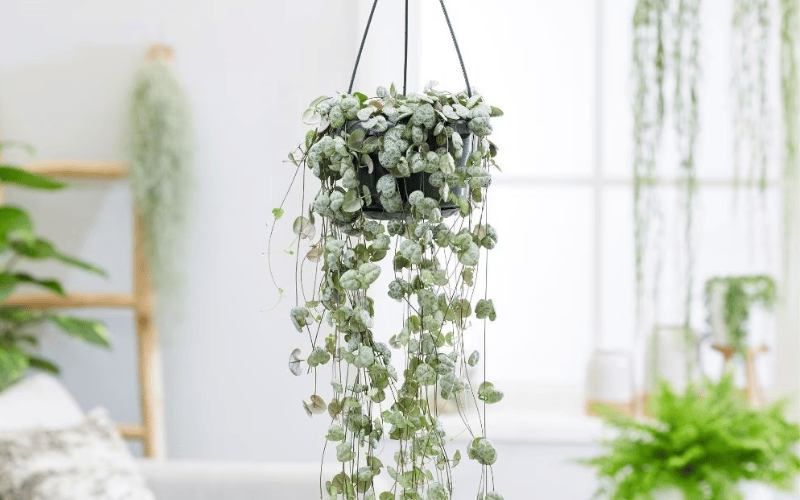
Whether you call it a string of hearts or a rosary vine, you will be captivated by this charming indoor hanging plant. Subtle, delicate, yet stunning, the String of Hearts plant (Ceropegia) is one of the finest for decorating your indoor space.
Its beautiful heart-shaped leaves have won the hearts of many in Australia and elsewhere around the world. Decorative on their own, the striking leaves are splotched with a distinctive pattern of white on top.
It’s easy to care for the String of Hearts. It can tolerate a bit of neglect. So, it’s a good choice for someone with a tight schedule.
5. Boston Fern
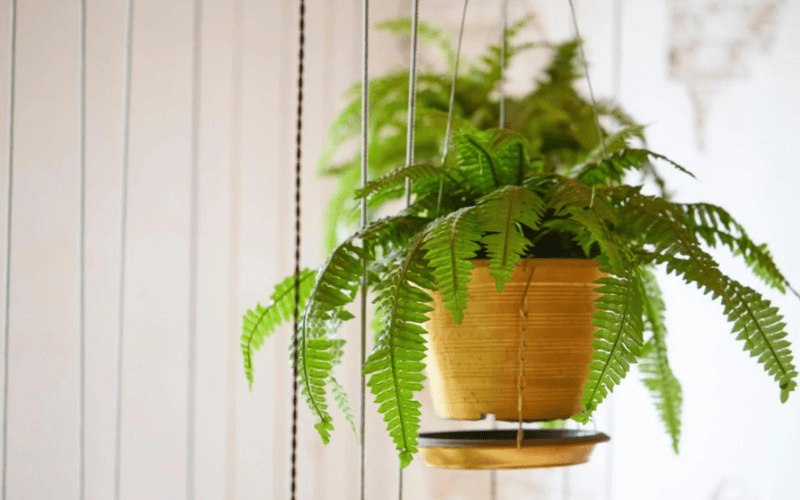
If you have been looking for a plant that is a dependable presence in your home, search no further than the Boston fern (Nephrolepis exaltata). It is one of the ultimate indoor hanging plants with a good reputation for purifying the air. It’s most efficient at removing formaldehyde from the interior space, not to mention its ability to remove other contaminants.
The Boston ferns are great for bathrooms because they come from woodland areas with low light and a lot of moisture. So, if they don’t get enough humidity, the leaves will dry and become crispy. As long as the conditions are right, Boston ferns are pretty tolerant. They will just keep growing, decorating your home while purifying the air.
6. English Ivy
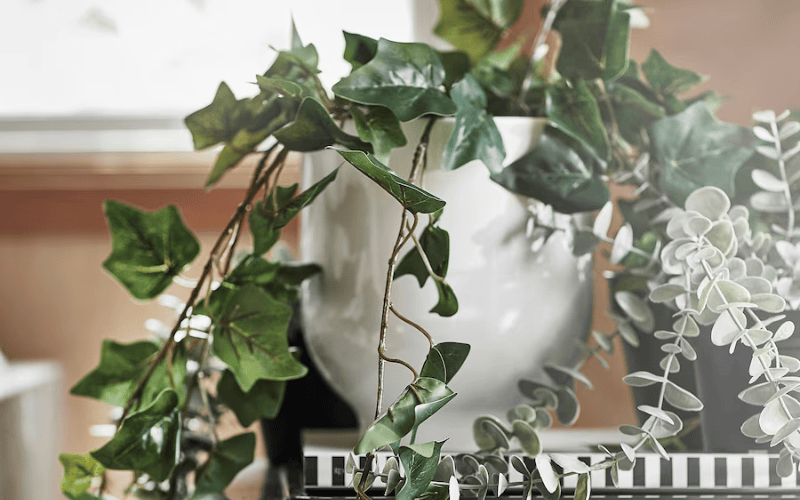
Native to northern Europe, English ivy (Hedera helix L) is a great plant that can grow as a decorative frame around bathroom mirrors, kitchen cabinets, and fireplaces. Particularly loved for its air-purifying qualities, it also adds a botanical feel to any indoor space.
It does a good job of pulling impurities, moulds, and harmful toxins out of the air and into the roots and leaves. In summer, English ivy thrives with cool temperatures and light. But it doesn’t benefit from direct sunlight. Given the right care, it is a relatively easy indoor hanging plant to maintain. You can train its aerial roots to climb a moss pole for a stunning look.
7. Heartleaf Philodendron
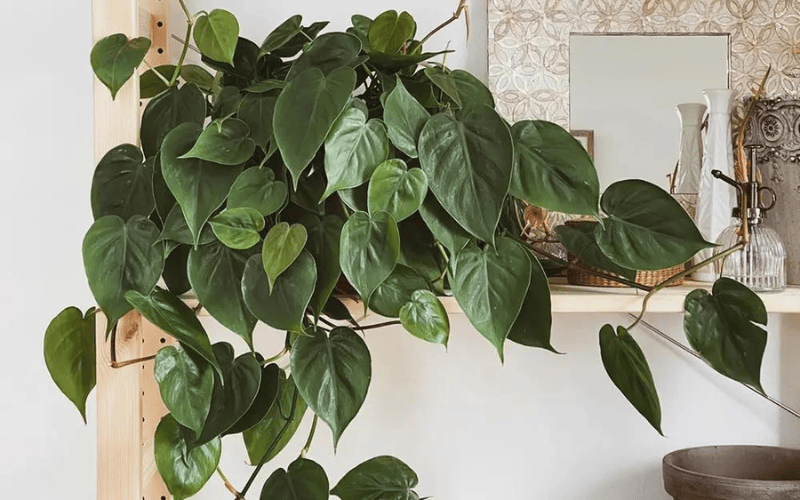
With an innate desire to climb, the Heartleaf philodendron (Philodendron hederaceum) makes for an impressive addition to your indoor garden. Whether placed on a high shelf or in a hanging basket, this plant is known for its fast, sprawling growth.
Thriving in both bright and low-light environments, this tropical evergreen plant can also adapt to low humidity, though it does appreciate a good misting now and then. Keep in mind that while most philodendrons share the same basic care needs, some varieties may need a bit more special attention.
8. Burro’s Tail
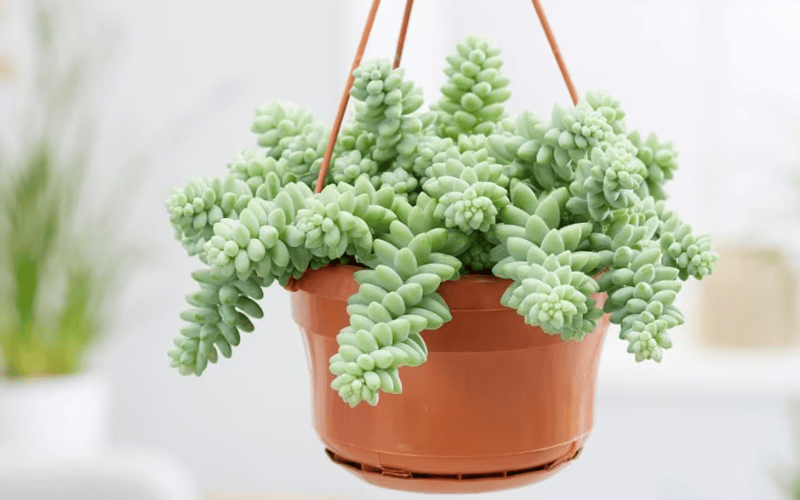
One of the most popular succulents, Burro’s tail (Sedum morganianum), belongs in a hanging basket from which its silvery-leaved stems can dangle gracefully.
It needs about six hours of good natural light or indoor artificial light, but not direct sunlight. Make sure you plant it in a container that drains well without retaining too much water.
With Burro’s Tail, you will not have to worry about watering, as it naturally likes to dry out between showers. In addition, this plant drops its beady leaves easily at the slightest jostle, so a hands-off approach works best.
9. String of Pearls
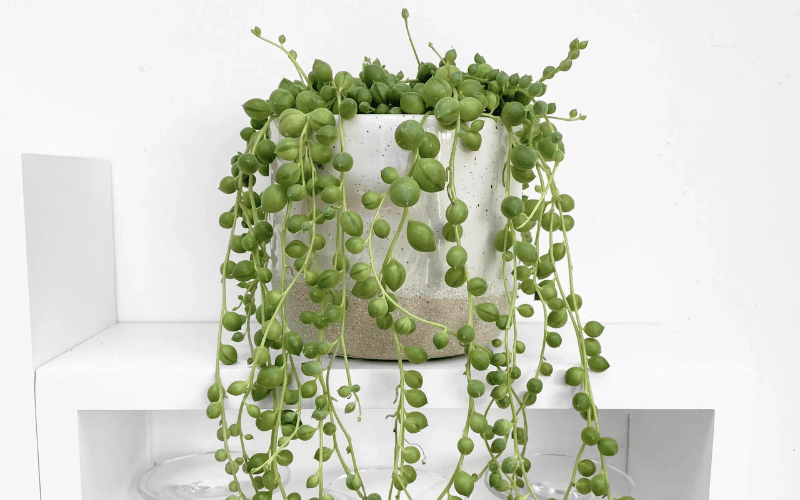
The unique charm of the String of Pearls (Senecio rowleyanus), with its cascading strands of pea-shaped pearls, can certainly add an intriguing touch to your indoor decor. Surprisingly resilient, this plant can withstand occasional neglect.
Best positioned in a south-facing window, it needs a healthy dose of morning sunlight but should be shielded from the intense afternoon sun, particularly in summer. Be cautious when watering as its fragile pearls and stems are sensitive to moisture, especially in consistently humid conditions.
10. Maidenhair Fern
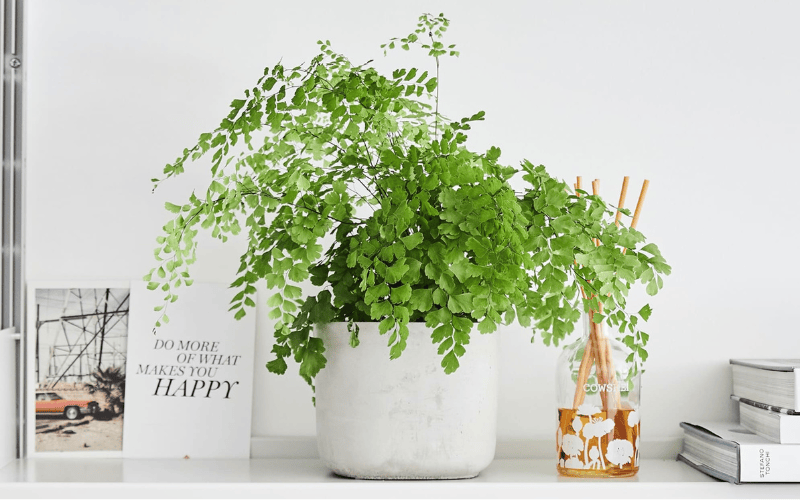
The Maidenhair fern (Adiantum), found in nature around waterfalls and other moisture-rich areas, loves a humid indoor environment. The plant caters to individuals who derive satisfaction from the meticulous process of nurturing plants.
It requires constant monitoring of soil moisture, preferring it to be consistently moist but not waterlogged. Maidenhair ferns appreciate filtered light, although they can also manage in partial shade.
Selecting the Right Indoor Plants
When selecting the perfect indoor plant for your space, it's crucial to consider more than just its appearance. Your home environment and the level of care you can provide play significant roles. Here are key factors to consider when making your decision:
Space and Size
One of the first things to consider when choosing indoor hanging plants is the amount of space you have available. If you have a spacious living room with high ceilings, you can opt for plants with long, trailing vines that add a dramatic touch.
However, for more compact spaces, consider choosing plants that grow more vertically or have shorter, less intrusive vines. Think about where you want to place the plant and how its growth patterns will affect the surrounding space. Matching the plant size to your available space is key to a harmonious indoor garden.
Lighting Conditions
Natural light conditions in your home significantly influence which plants will thrive. Some indoor plants require bright, indirect sunlight and would do well near a window. However, if your home doesn't have large, sun-filled windows, fret not.
Many indoor plants, such as the Snake Plant and the ZZ Plant, are perfectly adapted to lower light conditions. Always research a plant's light requirements before purchasing to ensure it is a good fit.
Humidity
Indoor humidity levels are another essential factor to consider. Some plants, like ferns, enjoy moist environments, while others prefer drier conditions. The average home humidity may work for some plants, but many will appreciate higher humidity levels—around 50% to 60%.
If your heart is set on a humidity-loving plant, you may need to invest in a humidifier or frequently mist your plants. On a positive note, these plants often require less watering, which can be a time-saver.
Maintenance
Your lifestyle and the time you can devote to plant care also play a crucial role in the selection process. If you're a busy individual, low-maintenance plants that require less frequent watering, minimal fertilising, and occasional pruning might be the best choice. On the other hand, if you have more time and enjoy the process of plant care, you can opt for plants that require more attention.
How to Care for Indoor Hanging Plants?
Proper care of your indoor hanging plants can significantly increase their growth, lifespan, and overall aesthetics. Here are expert tips on how to keep your indoor greenery flourishing.
- Watering: Water according to the plant’s needs. Some plants prefer soil that dries between watering, while others grow better in consistently moist soil.
- Light: Place plants where they receive suitable light. Most indoor plants prefer indirect light, though some, like succulents, need brighter conditions.
- Temperature and Humidity: Match conditions to the plant’s natural environment. Tropical plants usually prefer warmer, humid air, while desert plants tolerate drier conditions.
- Pruning: Remove dead or yellow leaves regularly to support healthy growth and maintain the plant’s shape.
- Fertilising: Use plant fertiliser to supply nutrients, especially during the growing season in spring and summer.
- Pest Control: Check plants for pests such as aphids, mealybugs, or spider mites and treat early with suitable solutions like insecticidal soap or neem oil.
- Repotting: Repot plants when roots outgrow the container or when soil quality declines, using fresh potting mix and a slightly larger pot.
Frequently Asked Questions (FAQs)
Here are some frequently asked questions about indoor hanging plants.
What are some of the best indoor hanging plants for beginners?
For those new to the world of indoor gardening, some of the best starting options are Devil’s Ivy and Spider Plant. They are particularly hardy, require minimal maintenance, and can withstand a little bit of neglect, making them perfect for novice gardeners.
Do all indoor hanging plants need a lot of sunlight?
Contrary to common belief, not all indoor hanging plants require a lot of sunlight. Many, like the Arrowhead Vine and Heartleaf Philodendron, are highly adaptable and can thrive even in low-light conditions, making them perfect for homes with less sunlight.
How often should I water my indoor hanging plants?
The watering frequency for indoor hanging plants varies significantly depending on the specific plant type. For example, while the String of Pearls requires less frequent watering and prefers to dry out between waterings, the Maidenhair Fern prefers consistently moist soil. It's always crucial to understand the specific watering needs of your chosen plant.
Can indoor hanging plants improve the air quality in my home?
Absolutely, indoor hanging plants are not just aesthetically pleasing, but they're also functional. Many varieties, like the Spider Plant and Boston Fern, are known to have air-purifying qualities, removing common pollutants and toxins from the air, thus improving the overall air quality within your home.
 Mark Thompson
Endnote
These are some of the best indoor hanging plants to consider for your home. While a few may need more attention than others, most will grow well once you understand their basic care needs.
Beyond adding greenery to your space, many indoor plants can also help improve indoor air quality and create a more relaxing environment. With proper care, they can become long-lasting and attractive features in your home.