
Kneeling chairs have become more popular in modern workspaces because of the support and posture benefits they offer.
Their design is different, and that is exactly what makes them effective. Before looking at the benefits, it helps to understand what a kneeling chair is and how it differs from other seating options.
What is a Kneeling Chair?
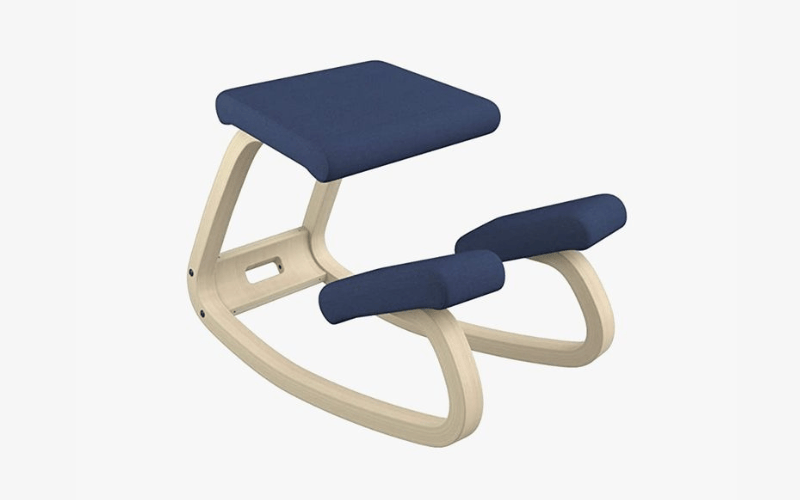
A kneeling chair is an ergonomic chair designed to change the way you sit. Instead of keeping your thighs parallel to the floor and your feet flat, it tilts your hips forward and places part of your weight on a lower knee pad. This creates a more open sitting angle, usually around 60° to 70° at the thighs.
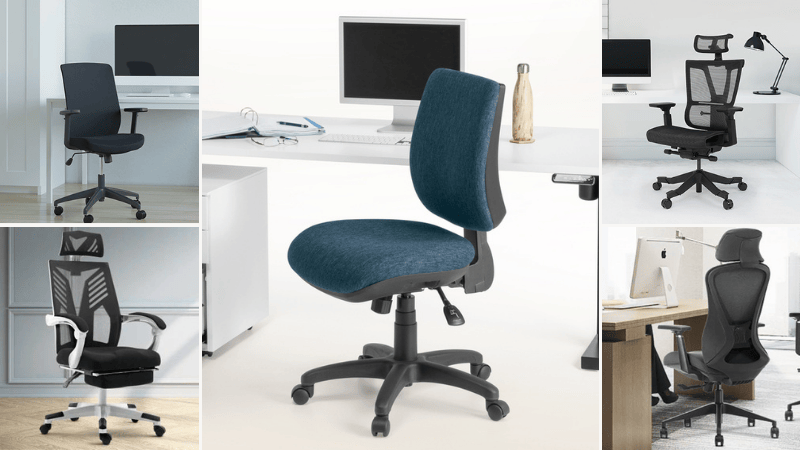
Unlike a standard office chair, a kneeling chair sits at about a 110° angle and uses two padded supports for the knees. Some models include a backrest, while others do not. This design encourages a more active sitting posture, which is where most of its ergonomic benefits come from.
9 Benefits of a Kneeling Chair
There are several interesting benefits of using a kneeling chair. From active sitting to a healthy posture and increased productivity. See the full list below:
1. Improved Posture
One of the most significant benefits of a kneeling chair is its ability to promote good posture. Aligning the spine, pelvis, and neck in a natural position reduces the strain on the back and neck muscles.
This is unlike the traditional chair that has a 90° angle and encourages slouching. Similarly, without the need for a backrest, the kneeling chair spreads your weight evenly between your legs and buttocks.
2. Reduced Lower Back Pain
Sitting in a traditional office chair for extended periods can lead to lower back pain. A kneeling chair can help alleviate this discomfort. Distributing the body's weight between the seat and the knee pad eases the pressure on the lumbar region and relieves strain and tension on the lower back muscles.
3. Enhanced Core Strength
Using a kneeling chair engages the core muscles to stabilise the body in the kneeling position. Over time, this can improve core strength and stability, contributing to better overall posture and reduced risk of back injuries.
Specifically, the back and abdominal muscles benefit more from increased strength with the angled legs. Besides kneeling chairs, height-adjustable desks also do an excellent job of helping you build core strength.
4. Active Sitting
Kneeling chairs promote active sitting.
The kneeling position keeps the body slightly off balance, enabling subtle movements and weight shifts. This is important to avoid sedentary behaviour, which has significant negative health implications.
Active sitting engages various muscle groups, improving circulation and preventing stiffness resulting from static sitting. Also, the curved button of kneeling chairs allows for a gentle rocking motion that keeps you active.
5. Increased Concentration and Focus
The ergonomic design of a kneeling chair promotes proper blood flow throughout the body, including the brain. By increasing oxygen and nutrient delivery to the brain, this improved circulation can enhance concentration, focus, and overall cognitive function.
6. Improved Breathing
The forward-tilted position of a kneeling chair opens up the chest, allowing for deeper, unrestricted breathing. This can be particularly beneficial for individuals who experience shallow breathing or spend long hours sitting in a fixed position. In a regular office chair, the diaphragm is compressed, especially when you slouch, restricting the ease of breathing.
7. Hip Joint Relief
Kneeling chairs reduce the pressure placed on the hip joints compared to traditional chairs. This can be especially beneficial for individuals with arthritis or other joint-related conditions, as it minimises discomfort and helps maintain joint health.
8. Increased Productivity
The enhanced comfort and support provided by kneeling chairs bring increased productivity. By reducing physical discomfort and fatigue, you can focus on your work or the tasks at hand. Active sitting, optimal breathing, and healthy blood circulation are essential to boost productivity.
9. Versatility and Portability
Kneeling chairs are typically lightweight and portable, allowing you to easily move them between different workstations or use them in various settings. Their compact size also makes them a practical choice for home offices, shared workspaces, or any environment where flexibility is desired.
How to Use a Kneeling Chair?
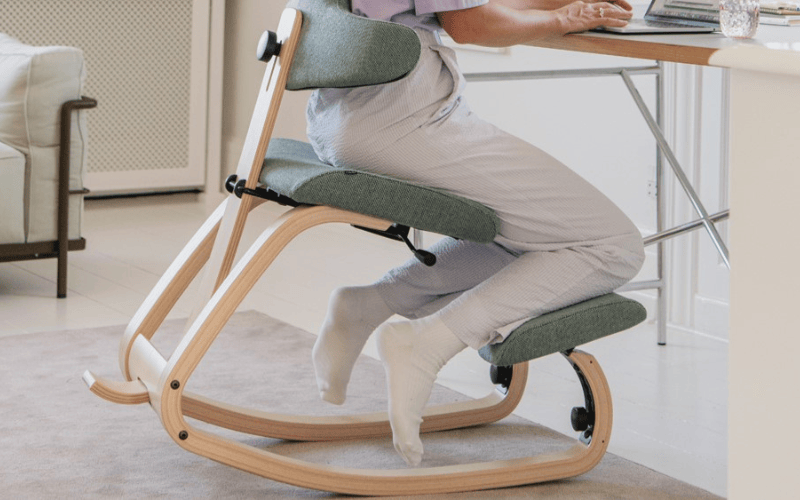
Using a kneeling chair is easy and can provide you with ergonomic benefits. Here's how to use one effectively:
- Adjust the chair so your knees rest comfortably on the lower pad and your shins are supported without strain. Your hips should tilt slightly forward.
- Sit upright with a neutral spine. Do not slump or lean too far forward.
- If the chair allows it, adjust the seat angle until it feels supportive and balanced.
- Start with short sessions and increase gradually as your body gets used to the posture.
- Take regular breaks to stand, stretch, and move around.
- Pay attention to discomfort. If it causes pain, adjust the setup or switch between it and a regular chair.
Frequently Asked Questions (FAQs)
Here are some frequently asked questions about the use of kneeling chairs.
Are kneeling chairs suitable for everyone?
Kneeling chairs can work well for many people, but comfort varies from person to person. Some find them more comfortable than traditional chairs, while others need time to adjust to the sitting position.
Anyone with knee or ankle problems should check with a healthcare professional before using one.
Can kneeling chairs help alleviate back pain?
Kneeling chairs can help reduce back pain by encouraging better posture and taking pressure off the lower back. The position helps the spine maintain a more natural curve, which may reduce strain on the lumbar area.
That said, results vary. People with chronic back problems should get medical advice before relying on one.
How do I adjust a kneeling chair for proper ergonomics?
To get the best support from a kneeling chair, adjust the height so your knees and shins rest comfortably on the pads and your hips tilt slightly forward. Sit upright with a neutral spine, keep your core engaged, and let your feet rest naturally behind you. If the chair allows angle adjustments, fine-tune it until the position feels stable and supportive for your body.
Are kneeling chairs suitable for long hours of sitting?
Kneeling chairs can be used for longer periods, but not without breaks. Even with better ergonomics, staying in one position too long can still cause discomfort or strain.
It is better to alternate between the kneeling chair, standing, and walking during the day. That helps with circulation and reduces the downsides of prolonged sitting.
 Darren Sherwood
Final Thoughts
Kneeling chairs take some getting used to, but for many people, the benefits make the adjustment worthwhile. The key is choosing the right fit and setting the chair up to match your body and comfort needs.
For anyone looking for an alternative to a standard office chair, a kneeling chair can be a strong option. It supports better posture, reduces discomfort, and improves comfort and focus during the workday.








)